

South Fork Museum of Natural History
At the line between the developed and the undeveloped environment.
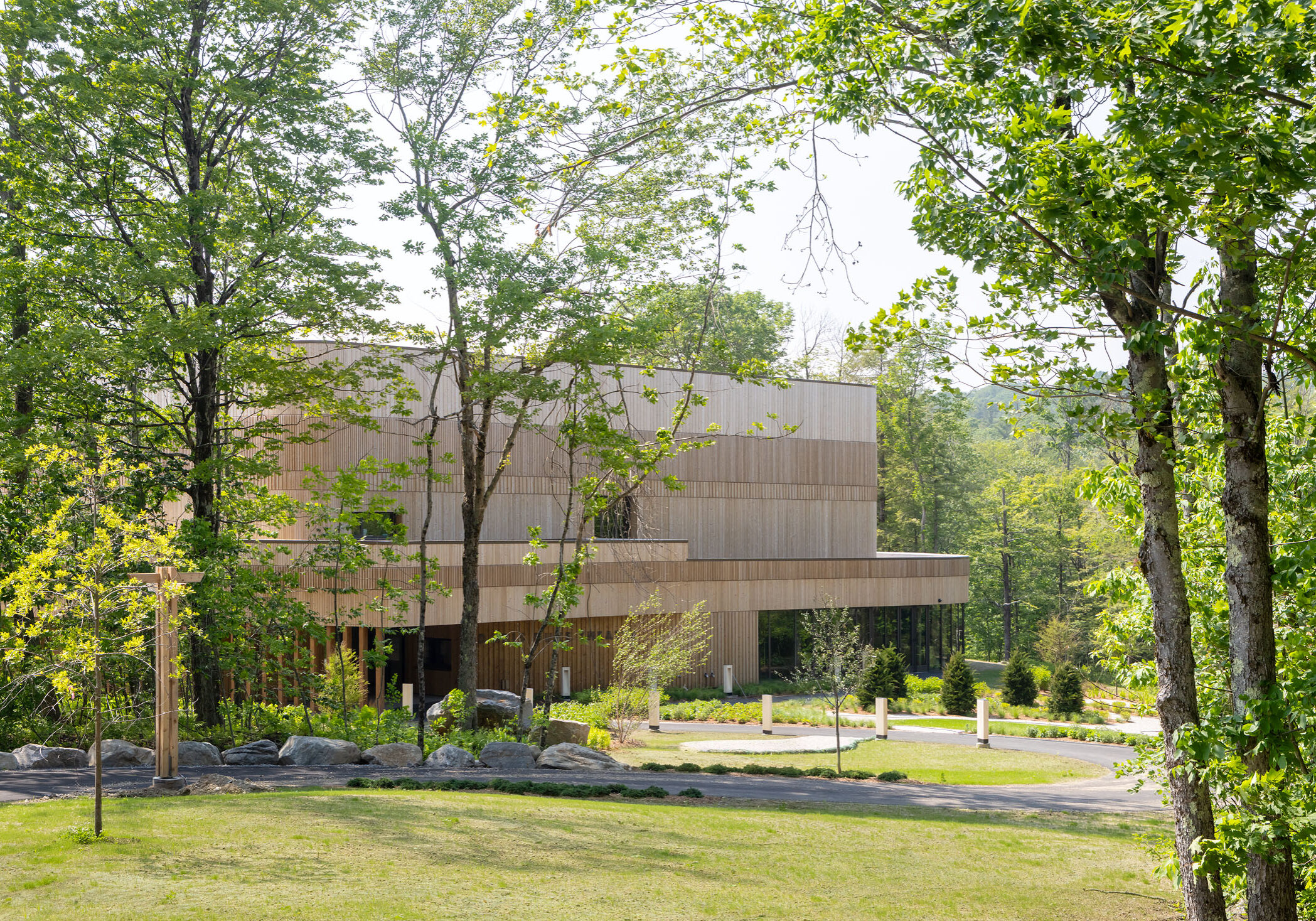
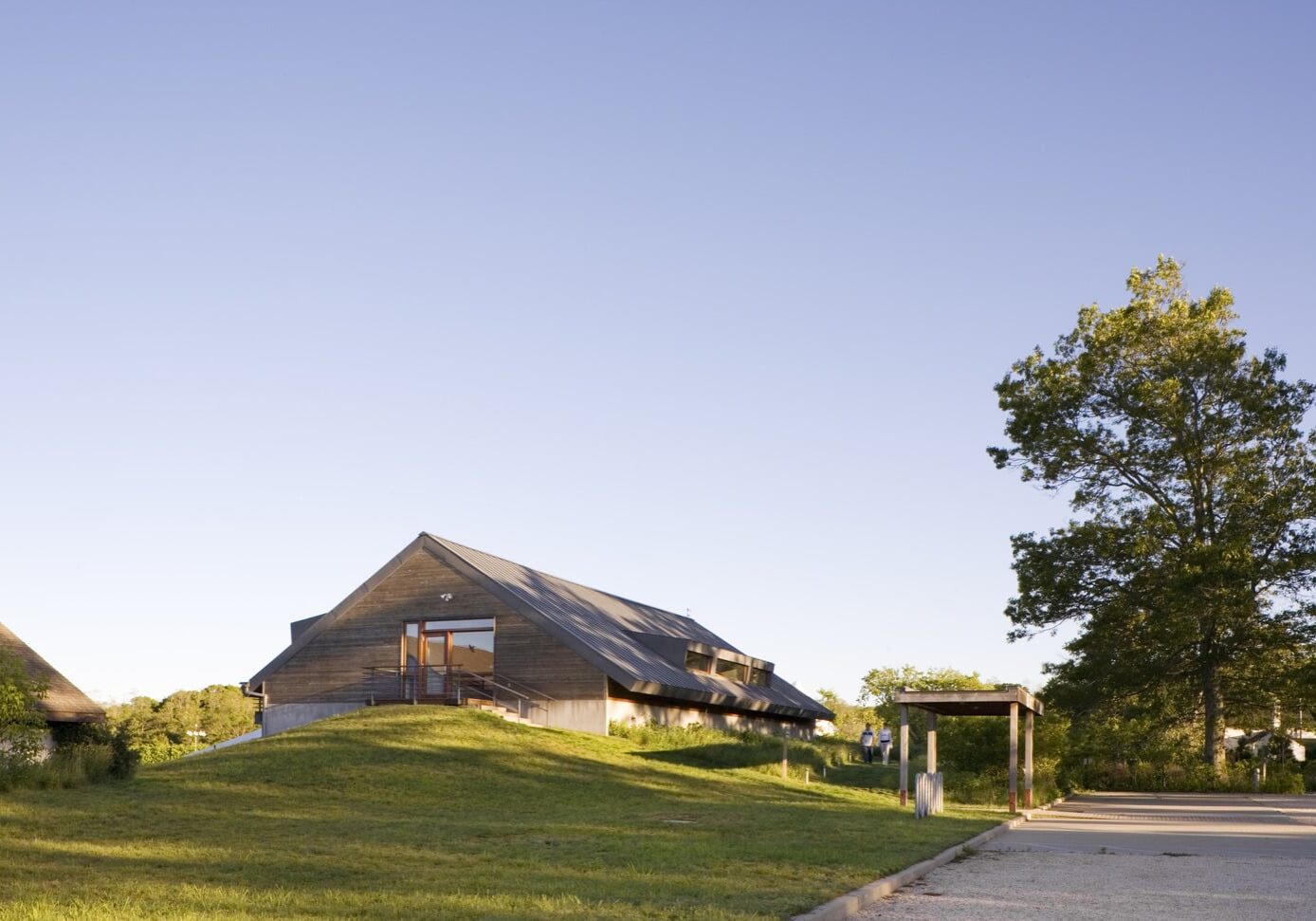
This 18,500 square foot natural history museum serves as the trailhead for a system of preserved lands known as the Long Pond Greenbelt. An open meadow containing wetlands, ponds, wild grasses, and a variety of animal life comprise the majority of the site, with scattered man-made berms and agricultural trails throughout.
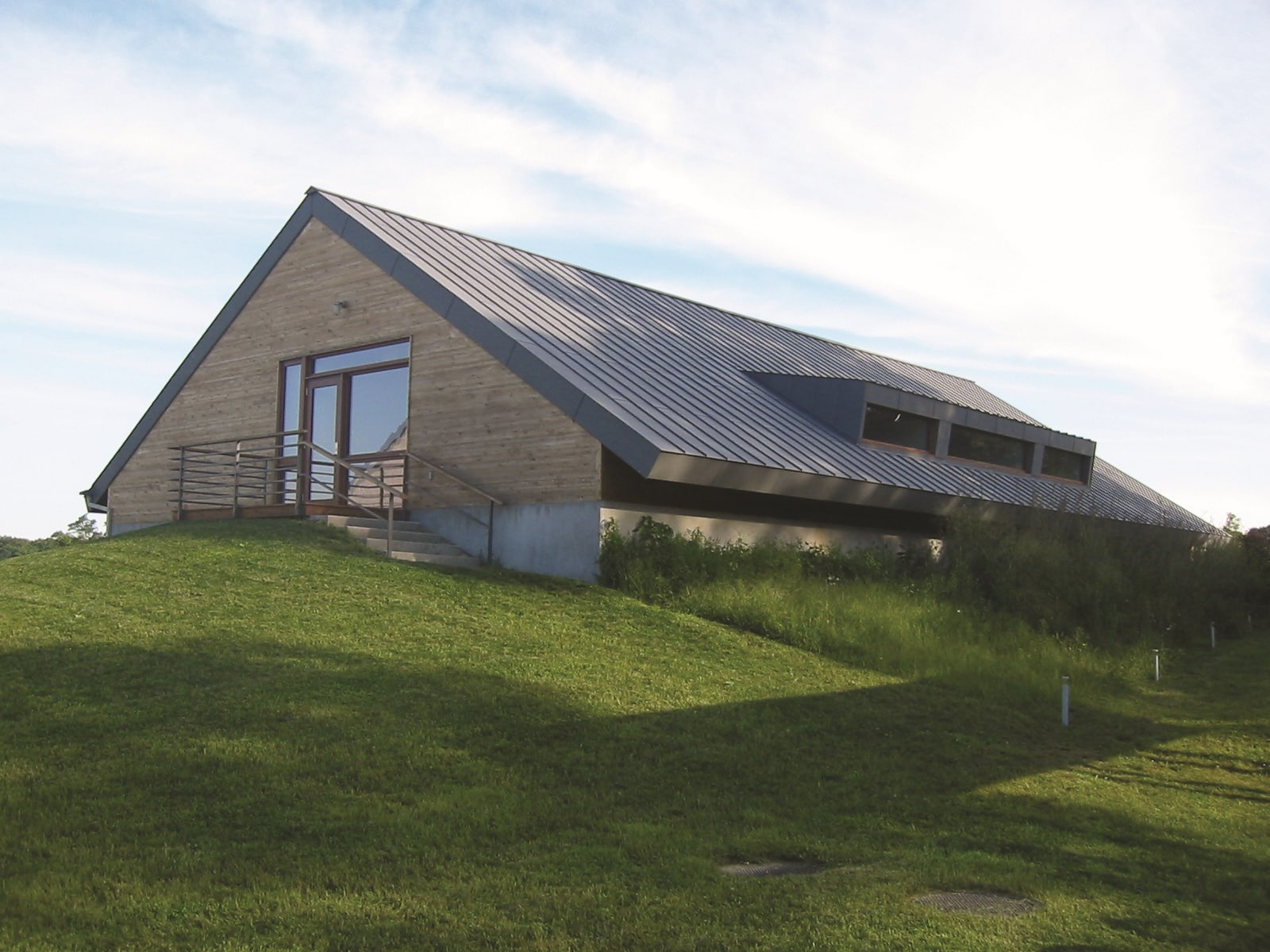
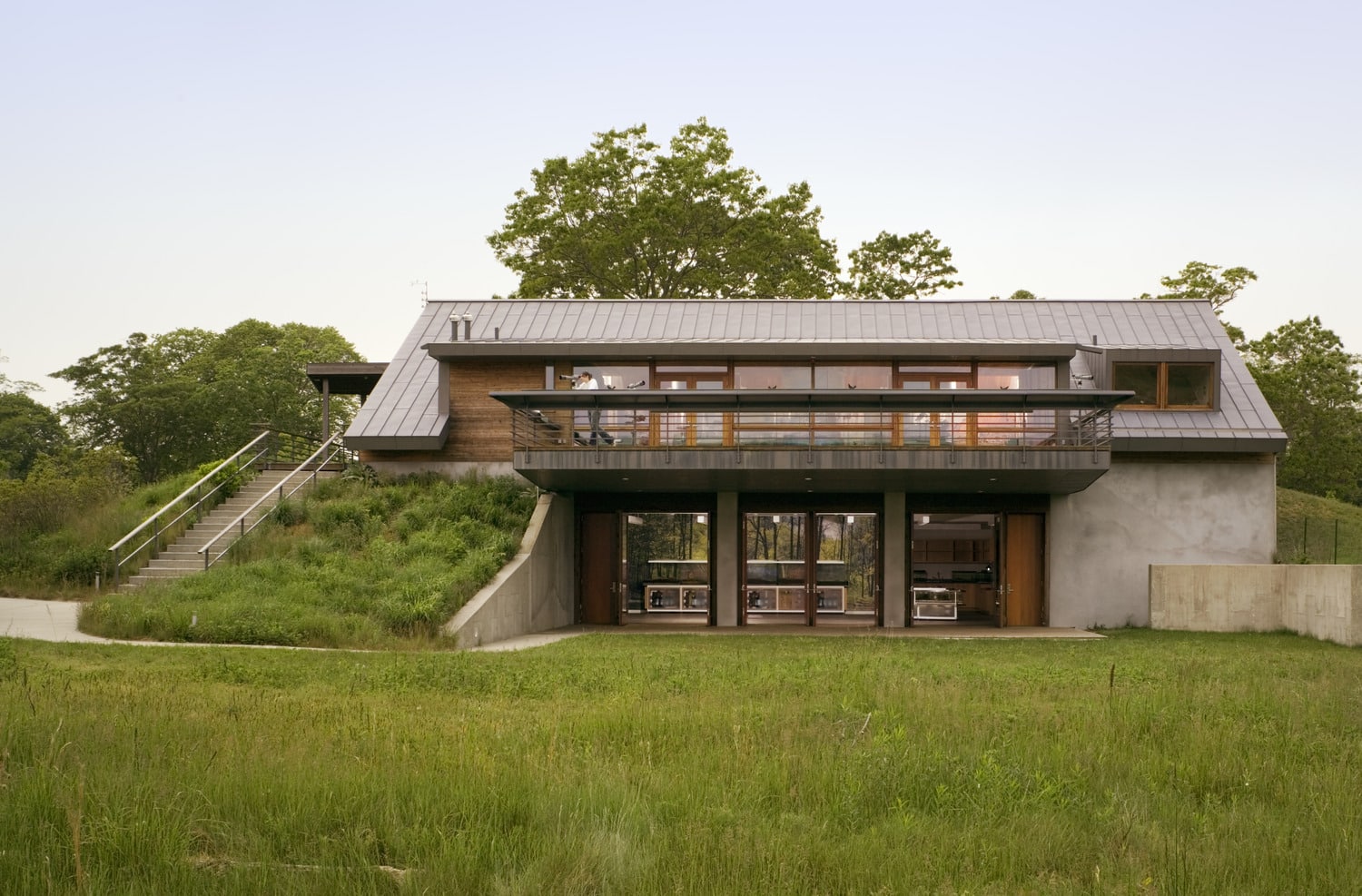
Every aspect of the facilities and grounds is designed to provide a directly referential and interactive experience, illuminating wherever possible the fragile interaction between the developed and vegetal environments.
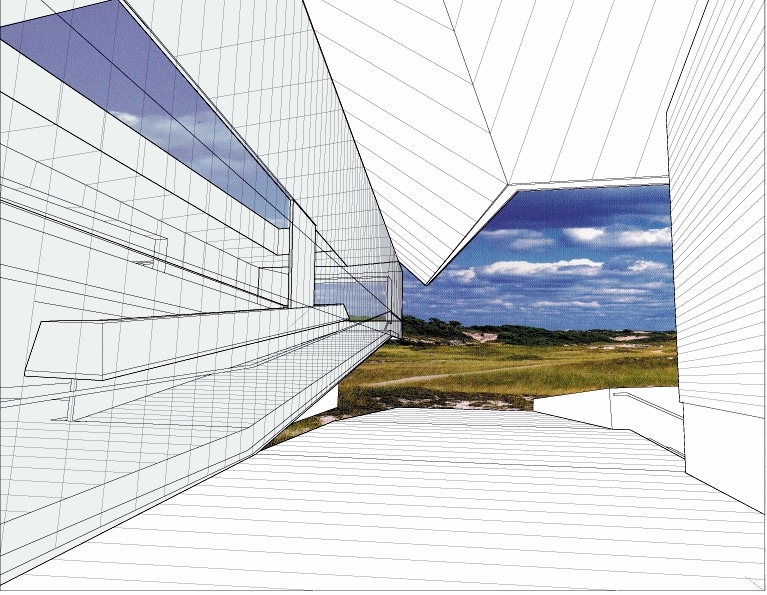
Shifting views and reference points both inside and outside the building play with perception of the horizon.
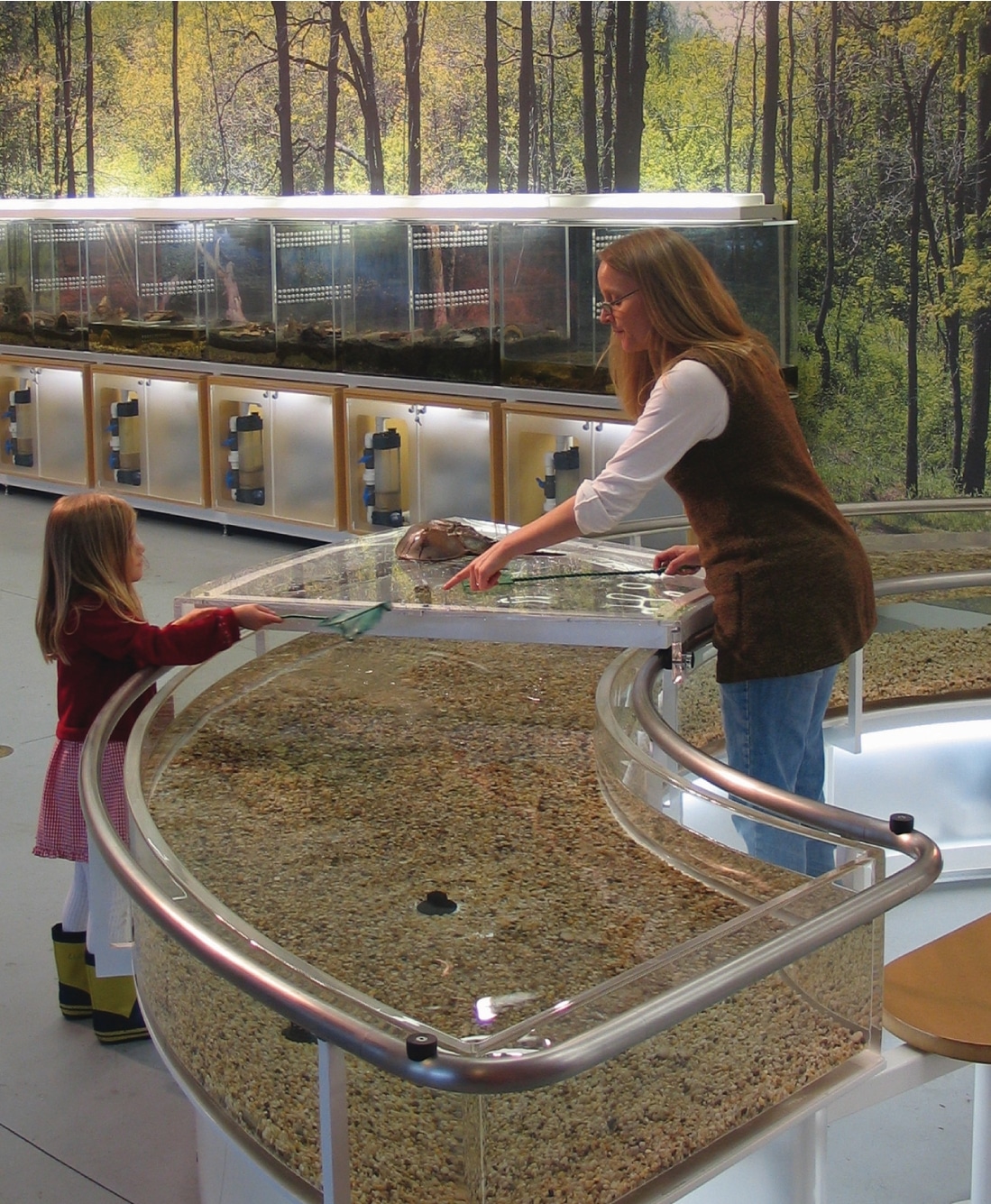
The sequence of spaces in both two and three dimensions facilitates the selective understanding of the landscape.
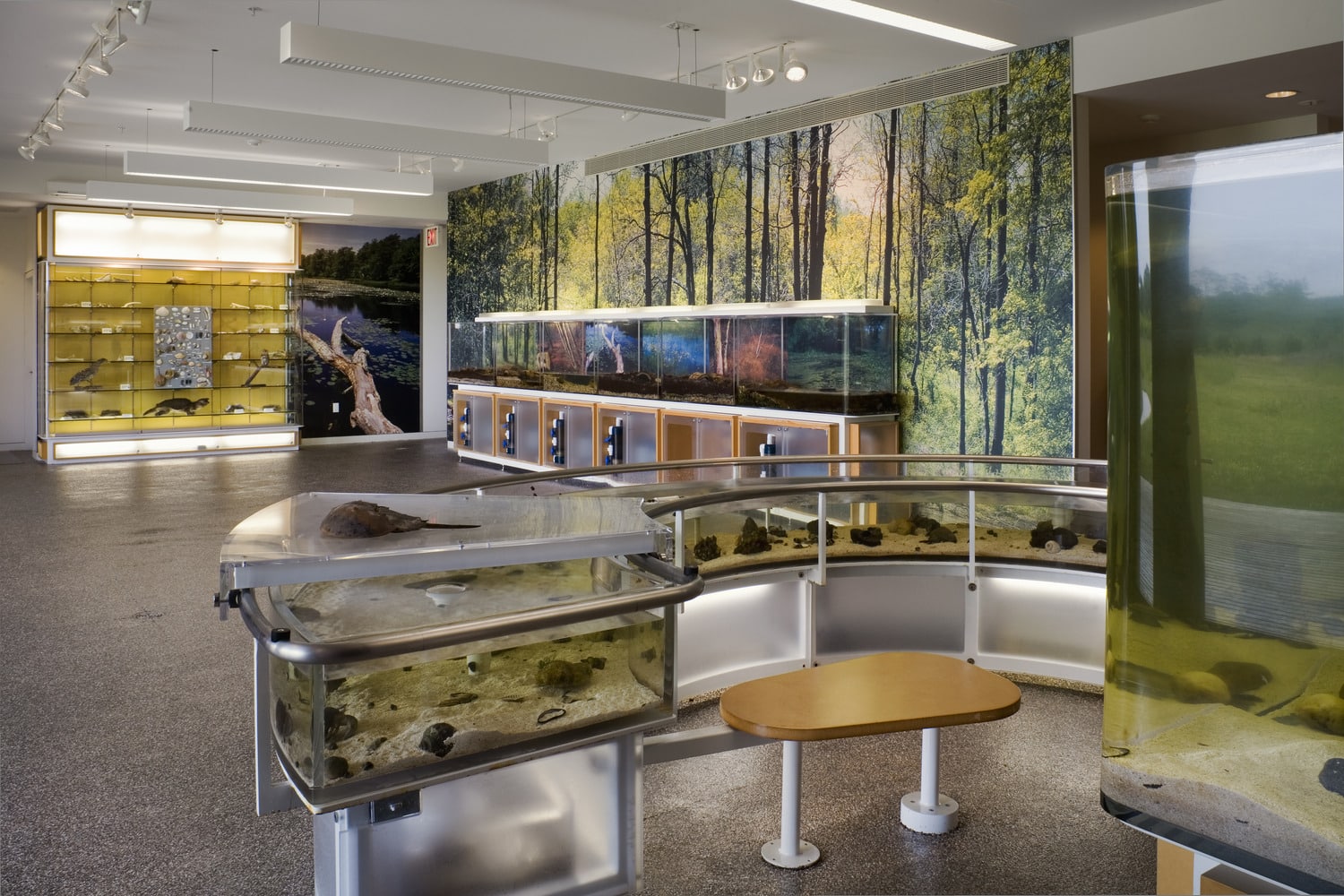
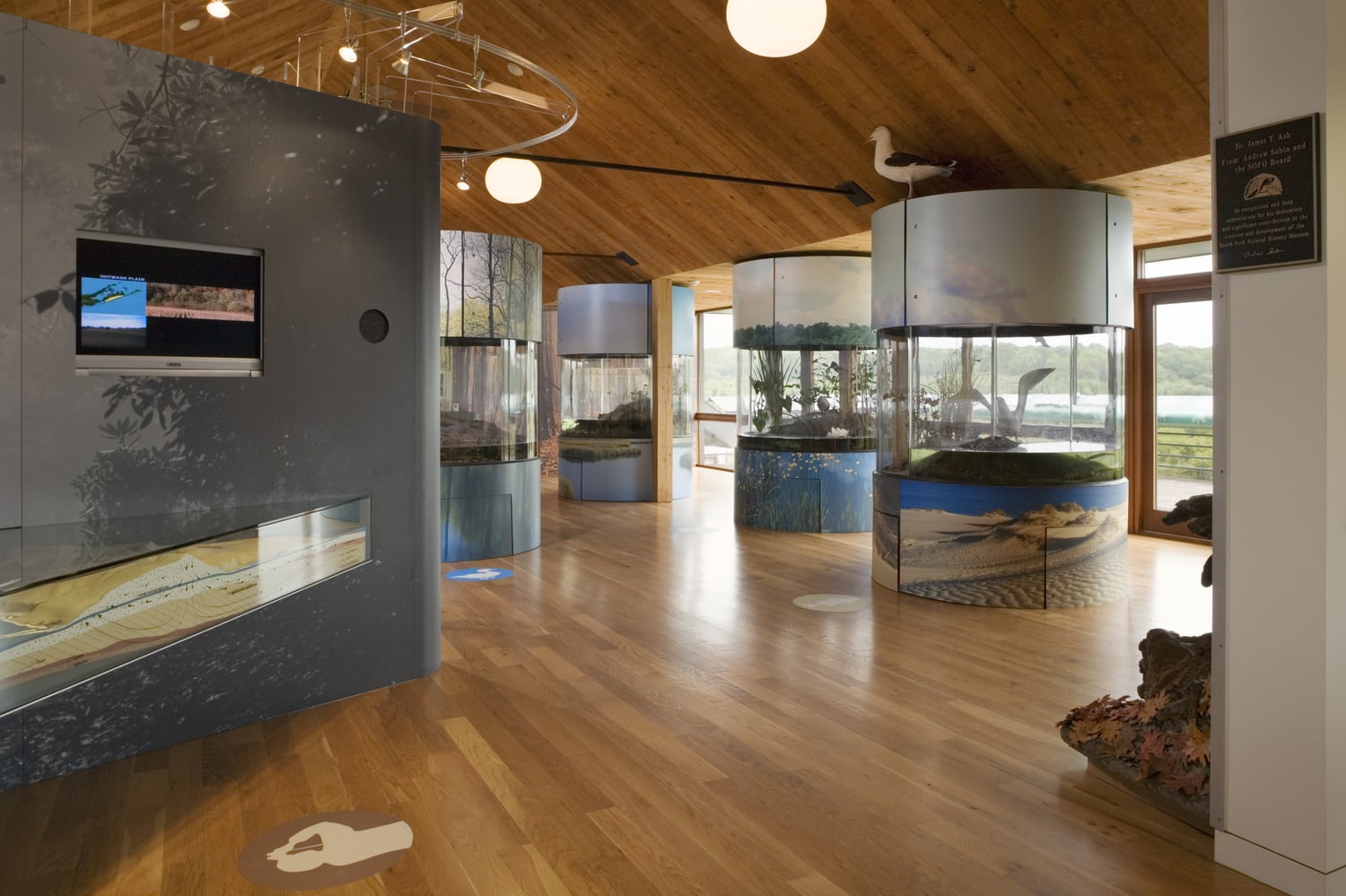
The sequence of spaces in both two and three dimensions facilitates the selective understanding of the landscape.
The experience of circulating through the space culminates in rooms where the relationships between interior and exterior spaces are the clearest.
This visual re-orientation creates apertures that highlight special aspects of the landscape.
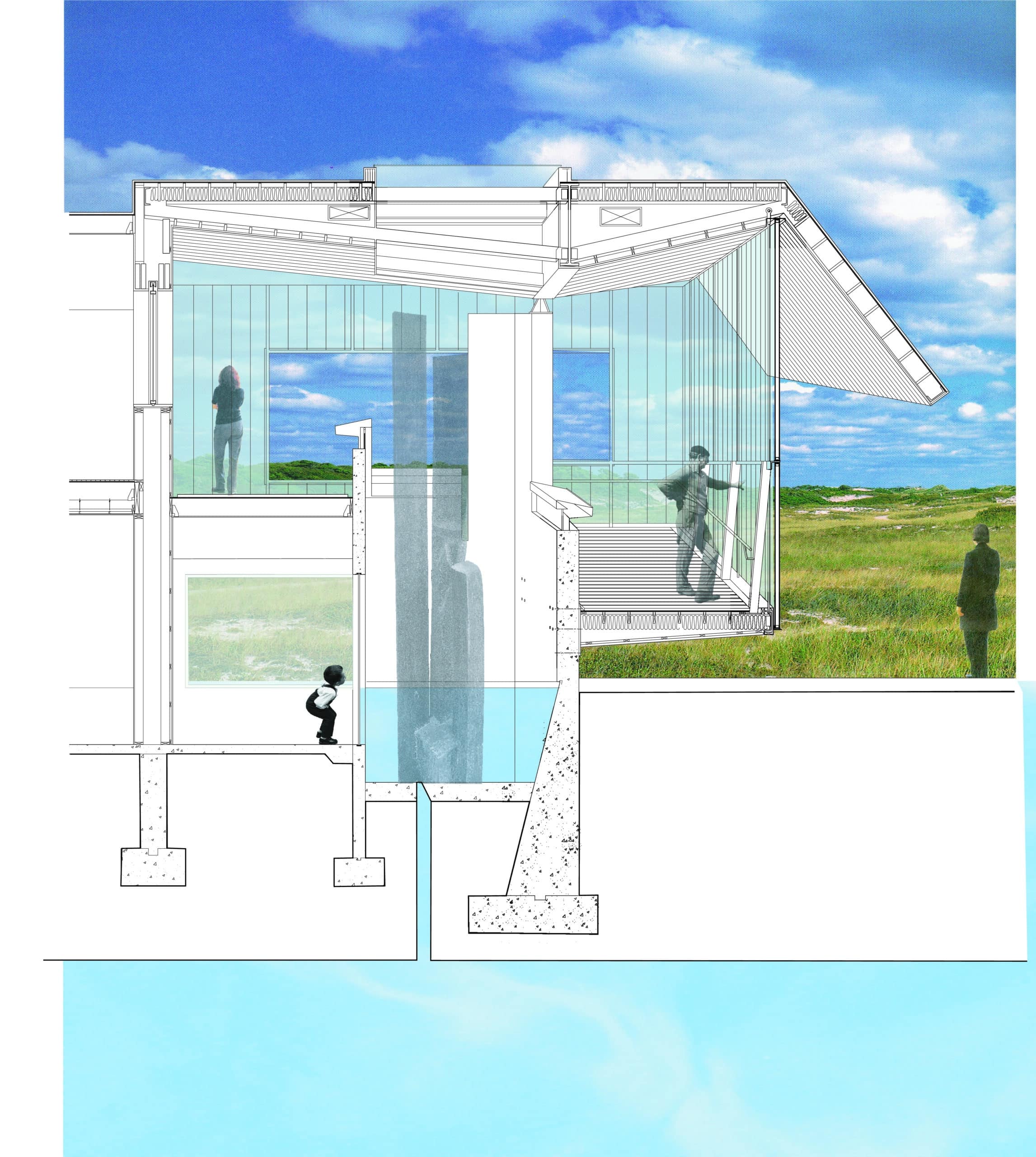
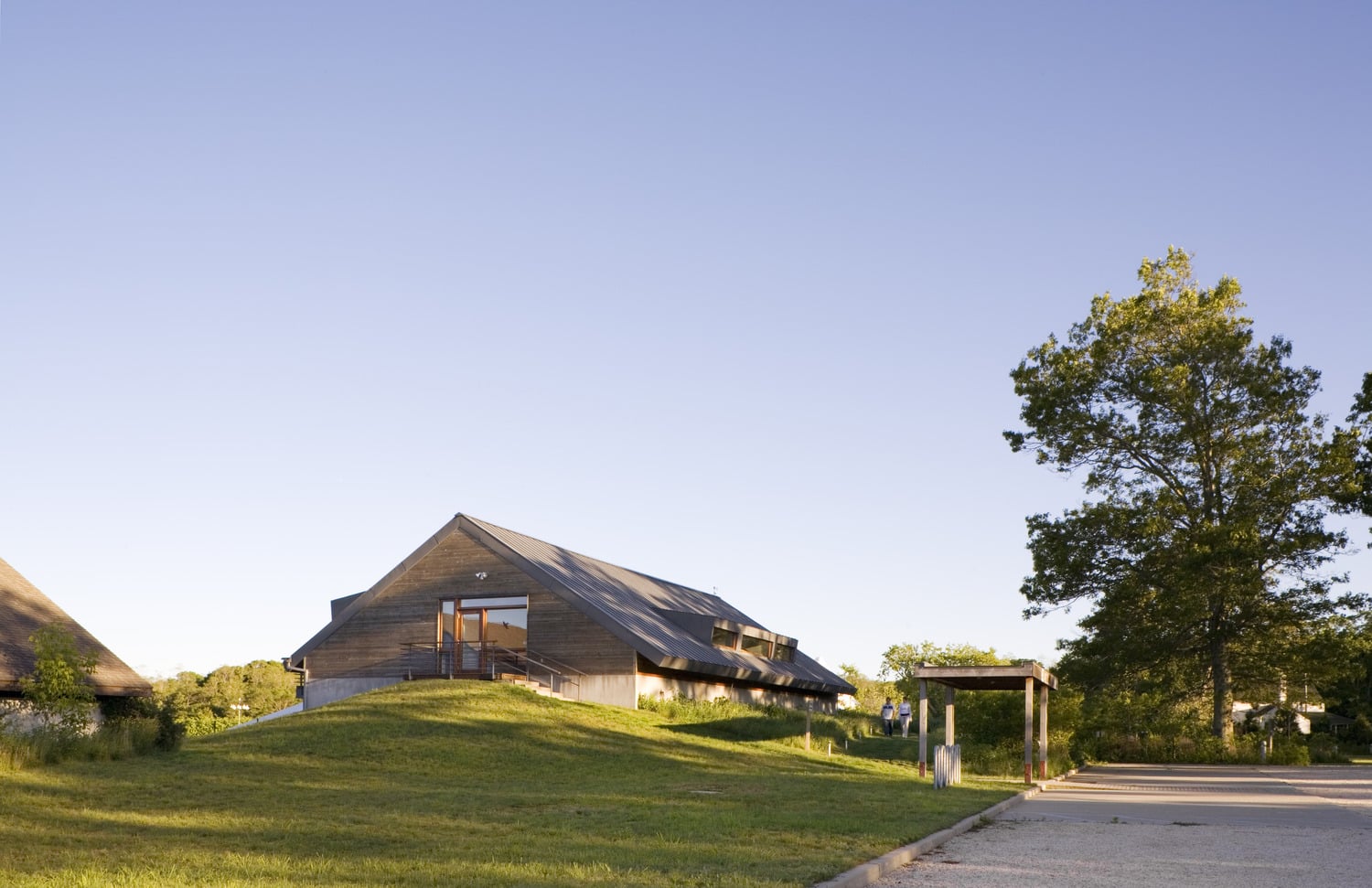
Using the interstitial space between an existing structure and new construction, the building creates a doorway to the protected lands.
At the line between the developed and the undeveloped environment.
This 18,500 square foot natural history museum serves as the trailhead for a system of preserved lands known as the Long Pond Greenbelt. An open meadow containing wetlands, ponds, wild grasses, and a variety of animal life comprise the majority of the site, with scattered man-made berms and agricultural trails throughout.
Every aspect of the facilities and grounds is designed to provide a directly referential and interactive experience, illuminating wherever possible the fragile interaction between the developed and vegetal environments.
Shifting views and reference points both inside and outside the building play with perception of the horizon.
The sequence of spaces in both two and three dimensions facilitates the selective understanding of the landscape.
The sequence of spaces in both two and three dimensions facilitates the selective understanding of the landscape.
The experience of circulating through the space culminates in rooms where the relationships between interior and exterior spaces are the clearest.
This visual re-orientation creates apertures that highlight special aspects of the landscape.
Using the interstitial space between an existing structure and new construction, the building creates a doorway to the protected lands.


South Fork Museum of Natural History
At the line between the developed and the undeveloped environment.
This 18,500 square foot natural history museum serves as the trailhead for a system of preserved lands known as the Long Pond Greenbelt. An open meadow containing wetlands, ponds, wild grasses, and a variety of animal life comprise the majority of the site, with scattered man-made berms and agricultural trails throughout.
Every aspect of the facilities and grounds is designed to provide a directly referential and interactive experience, illuminating wherever possible the fragile interaction between the developed and vegetal environments.
Shifting views and reference points both inside and outside the building play with perception of the horizon.
The sequence of spaces in both two and three dimensions facilitates the selective understanding of the landscape.
The sequence of spaces in both two and three dimensions facilitates the selective understanding of the landscape.
The experience of circulating through the space culminates in rooms where the relationships between interior and exterior spaces are the clearest.
This visual re-orientation creates apertures that highlight special aspects of the landscape.
Using the interstitial space between an existing structure and new construction, the building creates a doorway to the protected lands.
At the line between the developed and the undeveloped environment.
This 18,500 square foot natural history museum serves as the trailhead for a system of preserved lands known as the Long Pond Greenbelt. An open meadow containing wetlands, ponds, wild grasses, and a variety of animal life comprise the majority of the site, with scattered man-made berms and agricultural trails throughout.
Every aspect of the facilities and grounds is designed to provide a directly referential and interactive experience, illuminating wherever possible the fragile interaction between the developed and vegetal environments.
Shifting views and reference points both inside and outside the building play with perception of the horizon.
The sequence of spaces in both two and three dimensions facilitates the selective understanding of the landscape.
The sequence of spaces in both two and three dimensions facilitates the selective understanding of the landscape.
The experience of circulating through the space culminates in rooms where the relationships between interior and exterior spaces are the clearest.
This visual re-orientation creates apertures that highlight special aspects of the landscape.
Using the interstitial space between an existing structure and new construction, the building creates a doorway to the protected lands.
South Fork Museum of Natural History
At the line between the developed and the undeveloped environment.
This 18,500 square foot natural history museum serves as the trailhead for a system of preserved lands known as the Long Pond Greenbelt. An open meadow containing wetlands, ponds, wild grasses, and a variety of animal life comprise the majority of the site, with scattered man-made berms and agricultural trails throughout.
Every aspect of the facilities and grounds is designed to provide a directly referential and interactive experience, illuminating wherever possible the fragile interaction between the developed and vegetal environments.
Shifting views and reference points both inside and outside the building play with perception of the horizon.
The sequence of spaces in both two and three dimensions facilitates the selective understanding of the landscape.
The sequence of spaces in both two and three dimensions facilitates the selective understanding of the landscape.
The experience of circulating through the space culminates in rooms where the relationships between interior and exterior spaces are the clearest.
This visual re-orientation creates apertures that highlight special aspects of the landscape.
Using the interstitial space between an existing structure and new construction, the building creates a doorway to the protected lands.
At the line between the developed and the undeveloped environment.
This 18,500 square foot natural history museum serves as the trailhead for a system of preserved lands known as the Long Pond Greenbelt. An open meadow containing wetlands, ponds, wild grasses, and a variety of animal life comprise the majority of the site, with scattered man-made berms and agricultural trails throughout.
Every aspect of the facilities and grounds is designed to provide a directly referential and interactive experience, illuminating wherever possible the fragile interaction between the developed and vegetal environments.
Shifting views and reference points both inside and outside the building play with perception of the horizon.
The sequence of spaces in both two and three dimensions facilitates the selective understanding of the landscape.
The sequence of spaces in both two and three dimensions facilitates the selective understanding of the landscape.
The experience of circulating through the space culminates in rooms where the relationships between interior and exterior spaces are the clearest.
This visual re-orientation creates apertures that highlight special aspects of the landscape.