

Financial District and Seaport Climate Resilience Plan
A long-term vision for Downtown Manhattan's future.
The Financial District and Seaport Climate Resilience Master Plan is a targeted plan intended to focus on closing a gap in coastal protection for Lower Manhattan by developing an implementation plan to address future resiliency challenges. Marvel is the Architect for the Maritime Facilities Planning, working with the larger design team led by Arcadis and ONE Architecture. The Master Plan represents 30 percent of the Lower Manhattan coast where land-based adaptation measures were found to be technically infeasible and therefore further engineering and design is needed to scope out capital projects for shoreline extension.
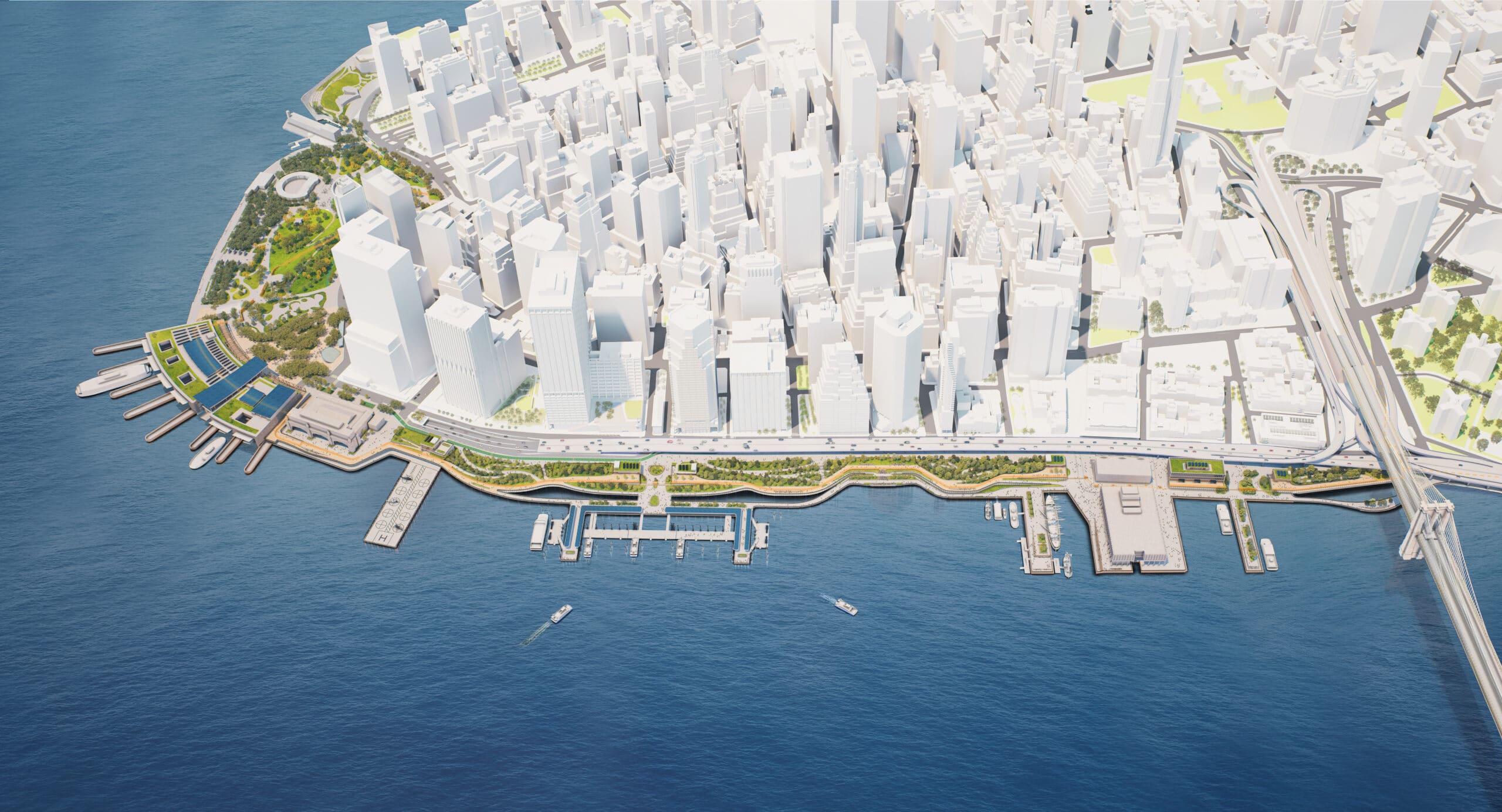
A continuous system of shoreline extension, flood defense, and public open space strengthens coastal resilience while reconnecting Lower Manhattan to the water.
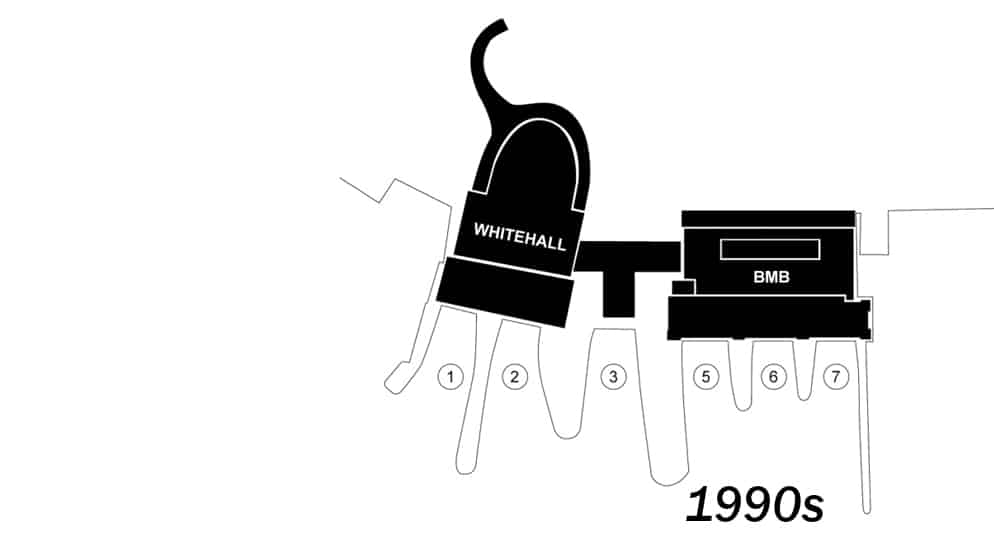
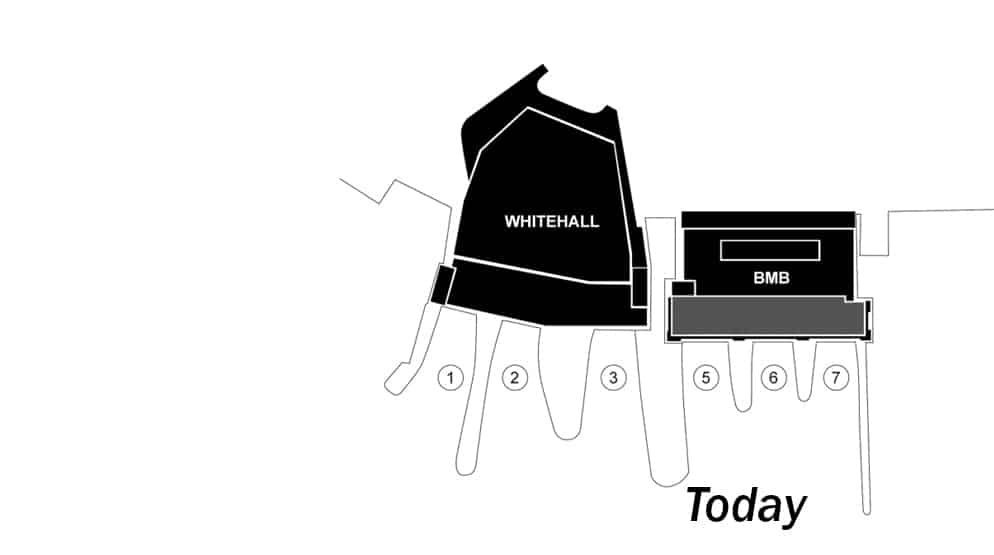
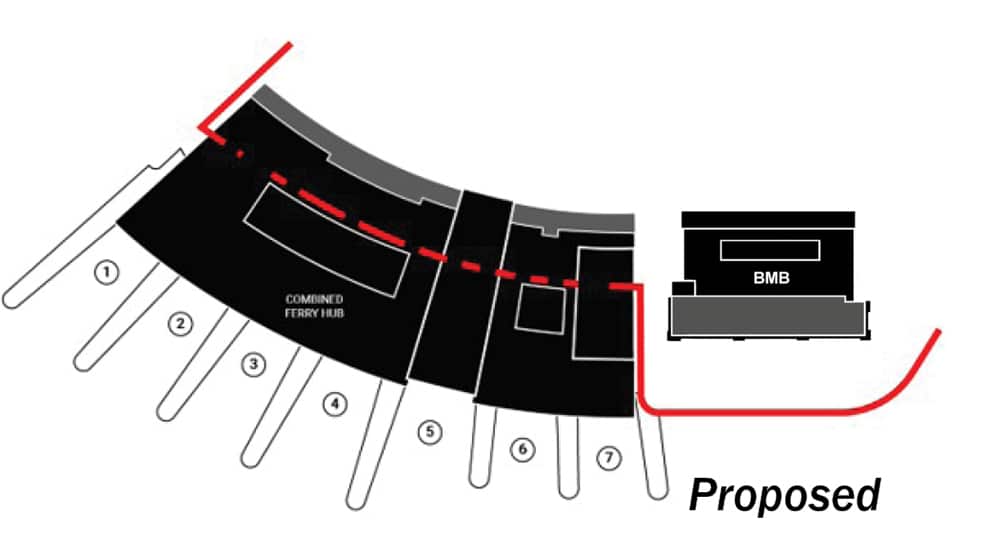
A feature of the plan centers on linking the Battery Maritime Building to a new resilient, multi-modal waterfront hub.
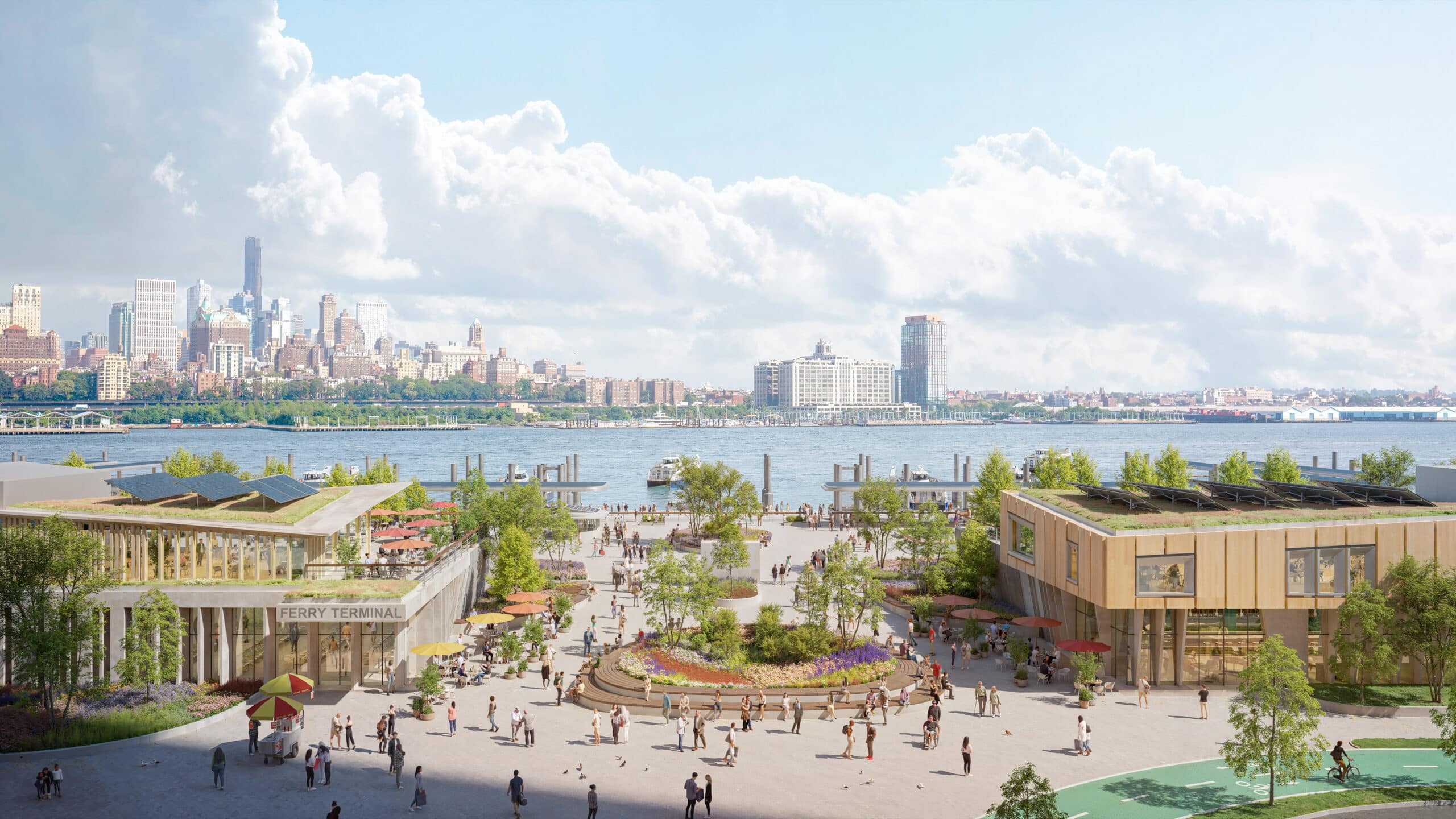
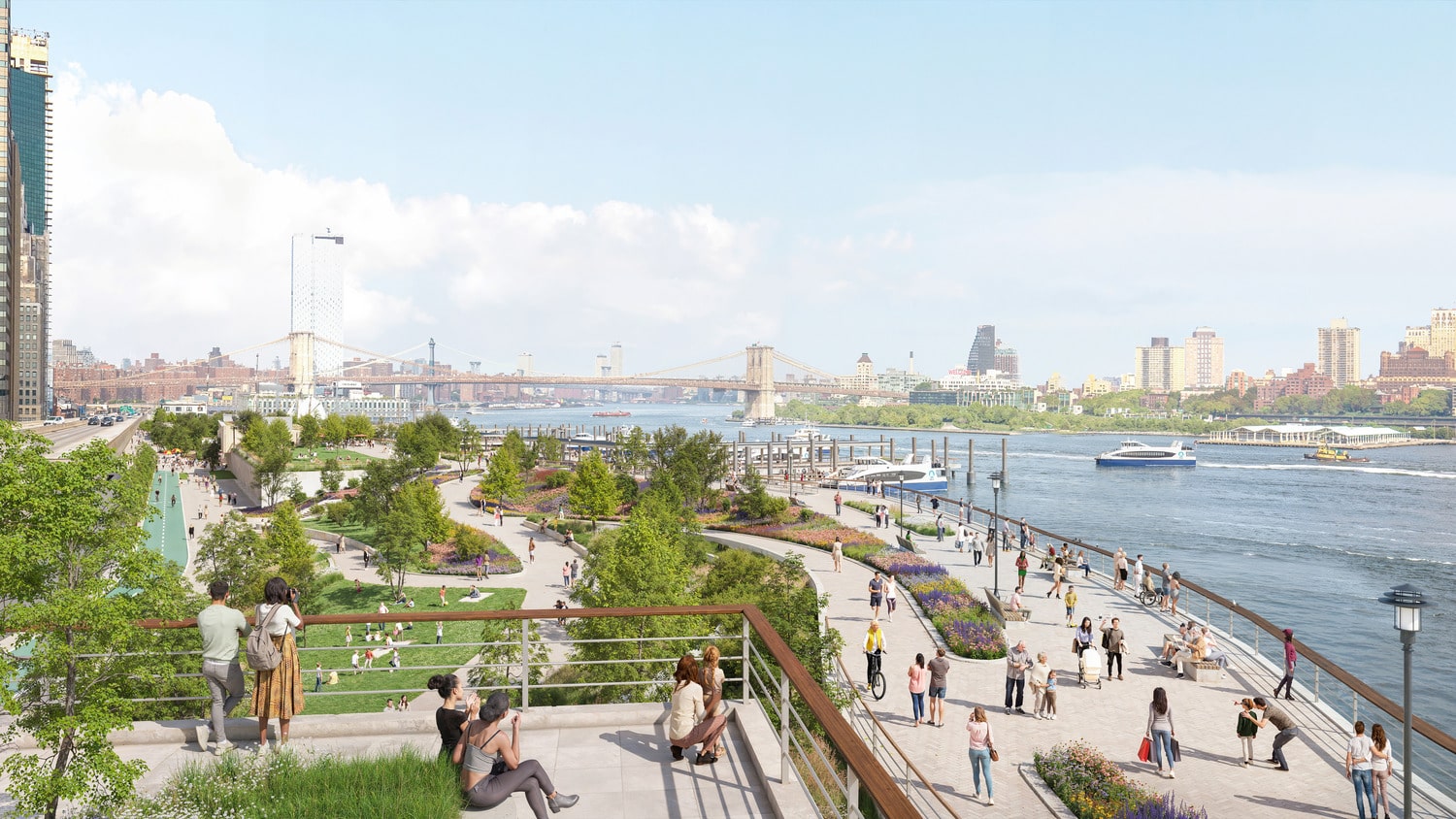
A new civic plaza at the ferry terminal extends Wall Street to the water, combining resilient shoreline infrastructure with public space and riverfront access.
Expanded waterfront parkland and esplanade create continuous public access and resilient open space along the East River, with views north toward the Brooklyn Bridge.
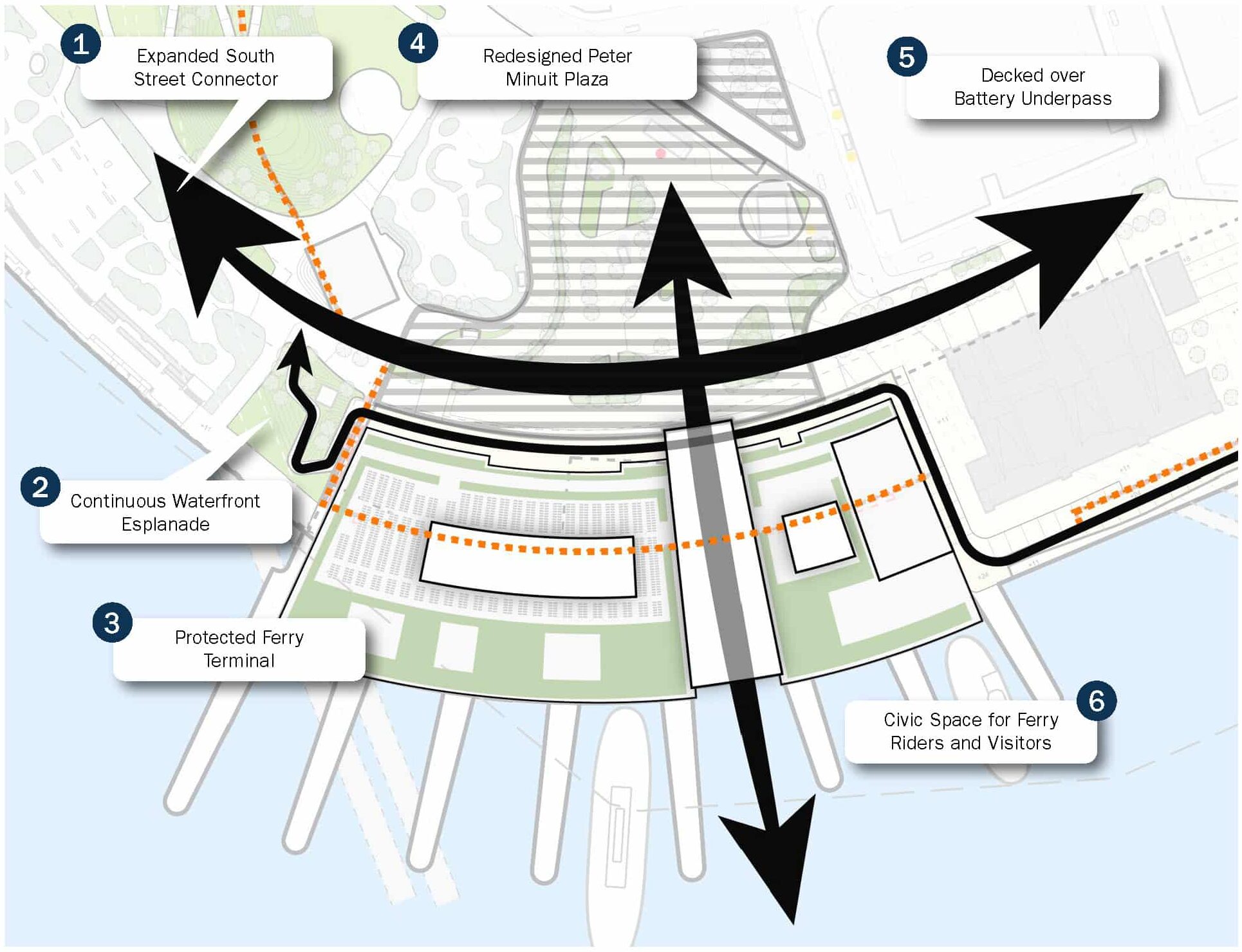
Major design moves integrate flood protection, continuous waterfront access, and civic space, reconnecting the Seaport to Lower Manhattan while supporting resilient ferry operations.
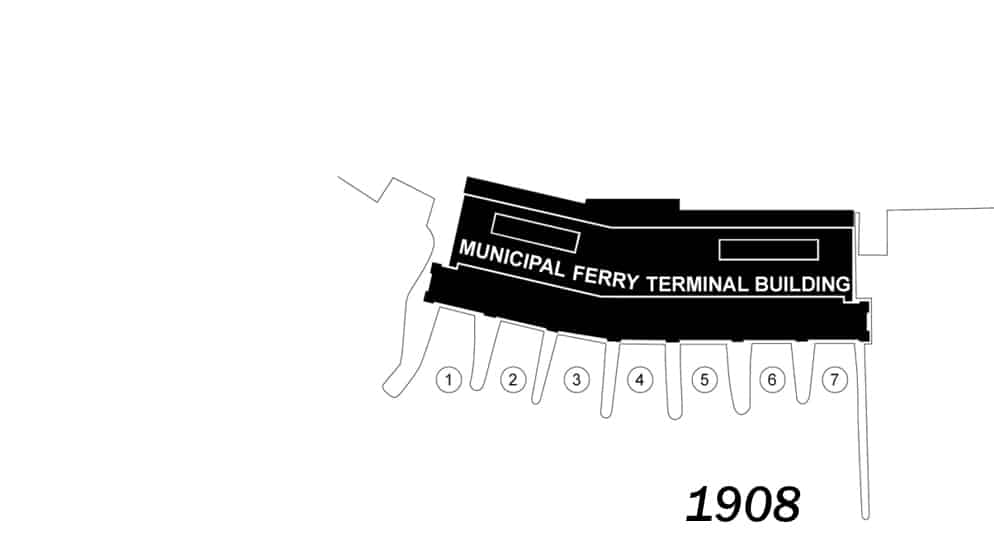
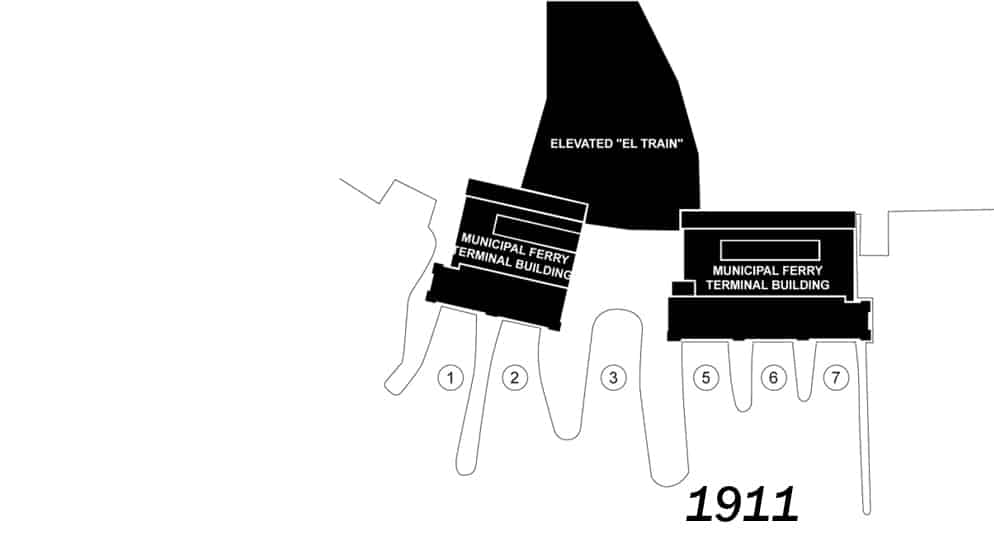
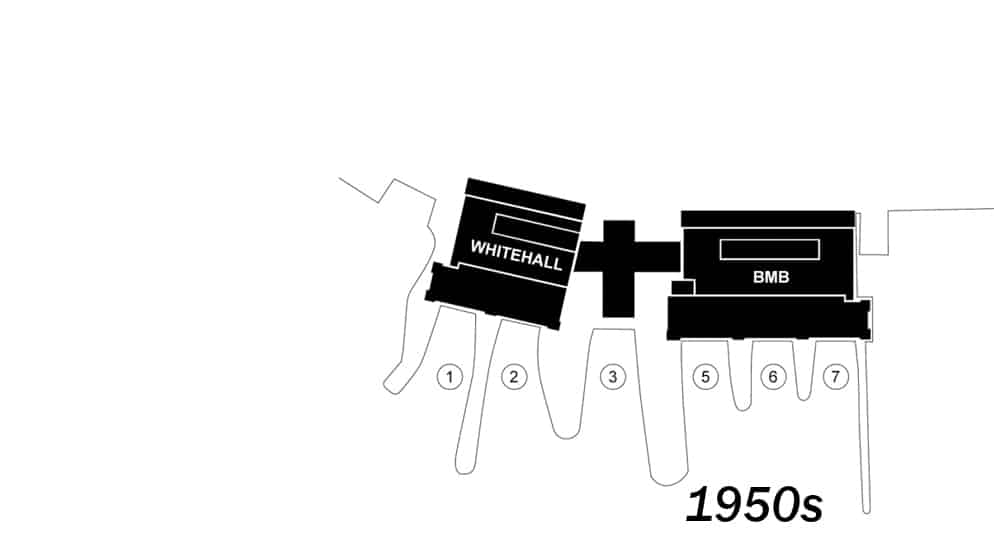
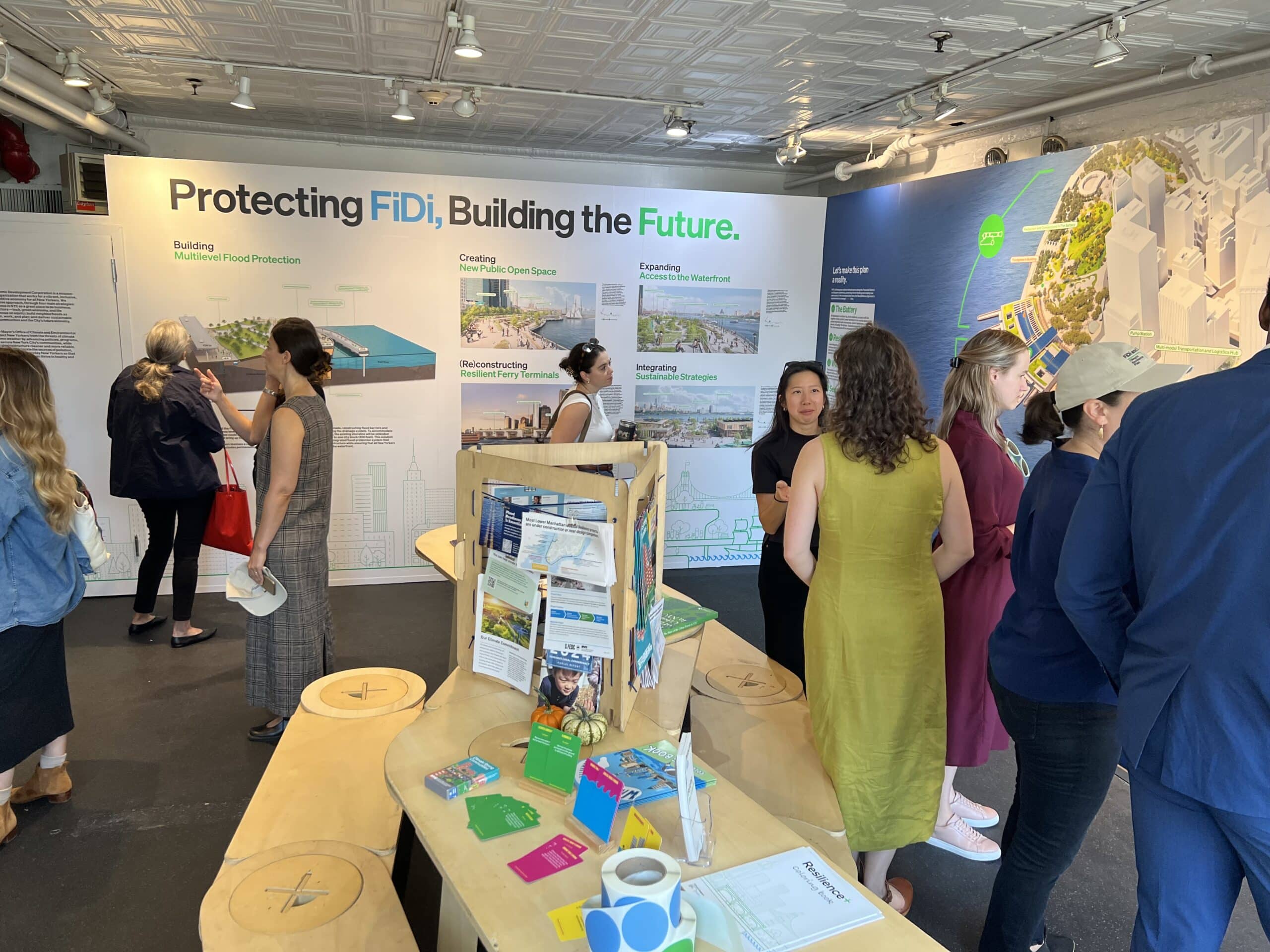
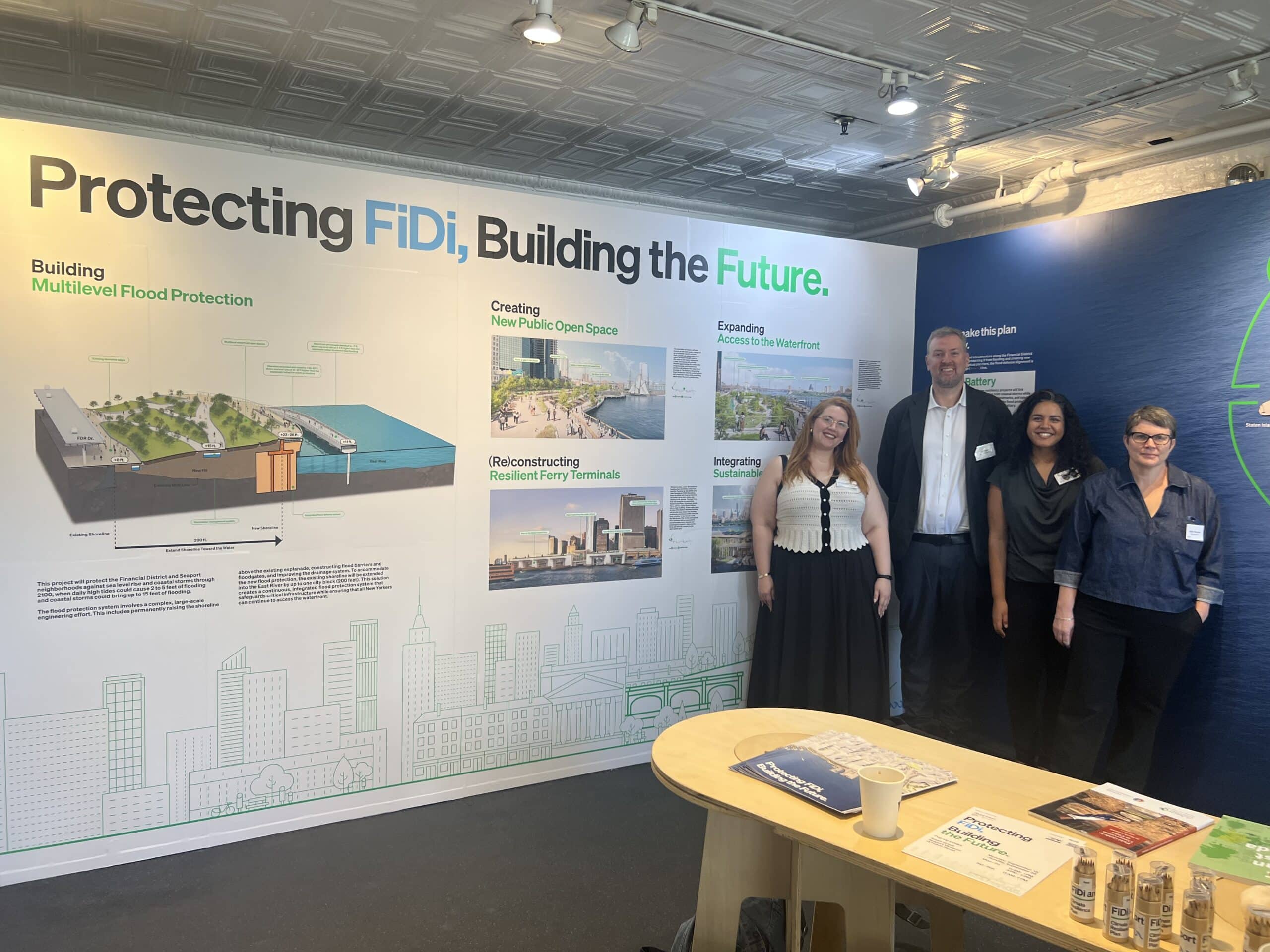
The New York City Economic Development Corporation and the Mayor’s Office of Climate and Environmental Justice are hosted an exhibit on the FiDi & Seaport Climate Resilience Plan from September 15-28, 2025.
Viewers were invited to learn about how the FiDi & Seaport area will be impacted by flooding and the City’s solution to protect the neighborhood, build new public open spaces, and preserve what New Yorkers love most about the waterfront.
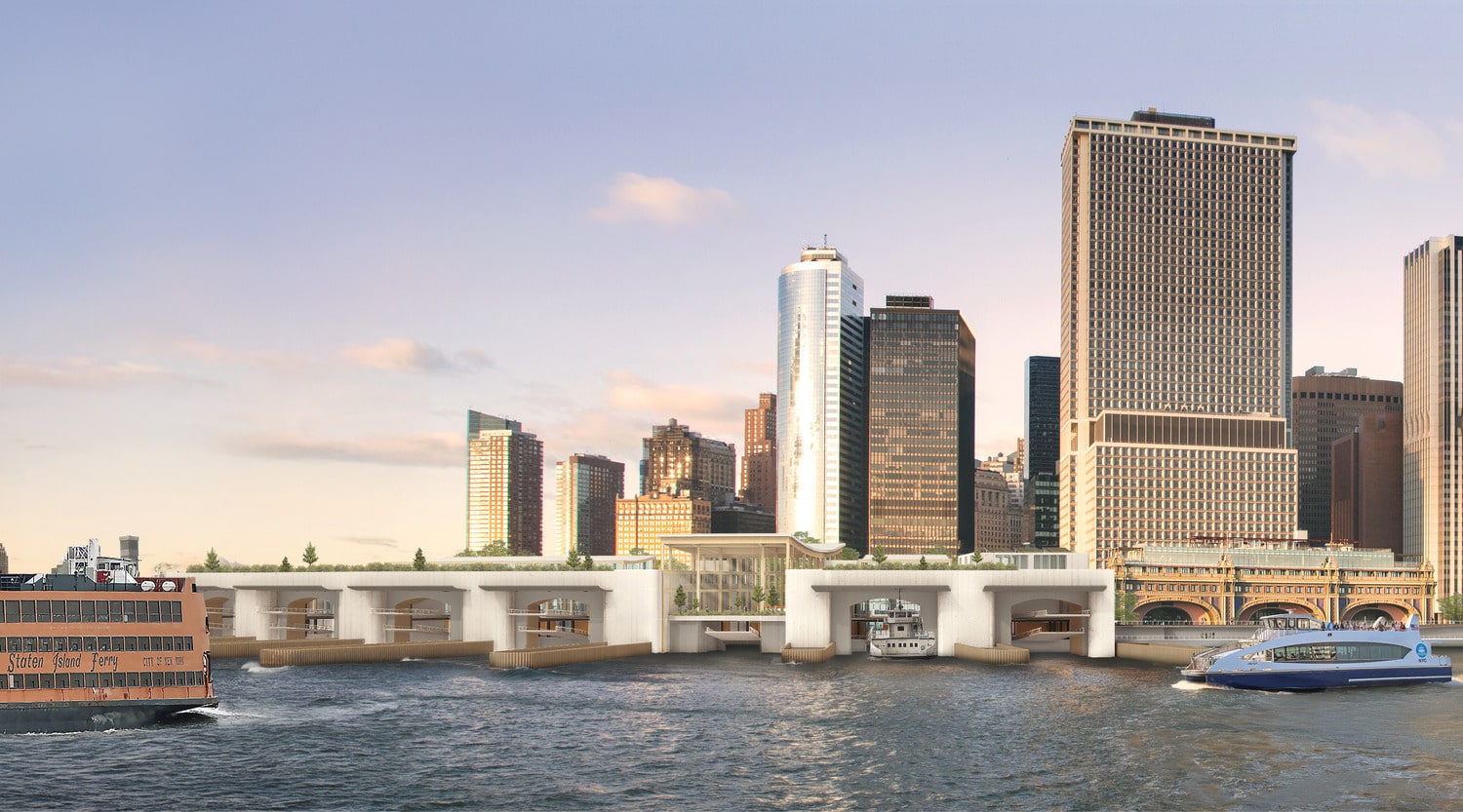
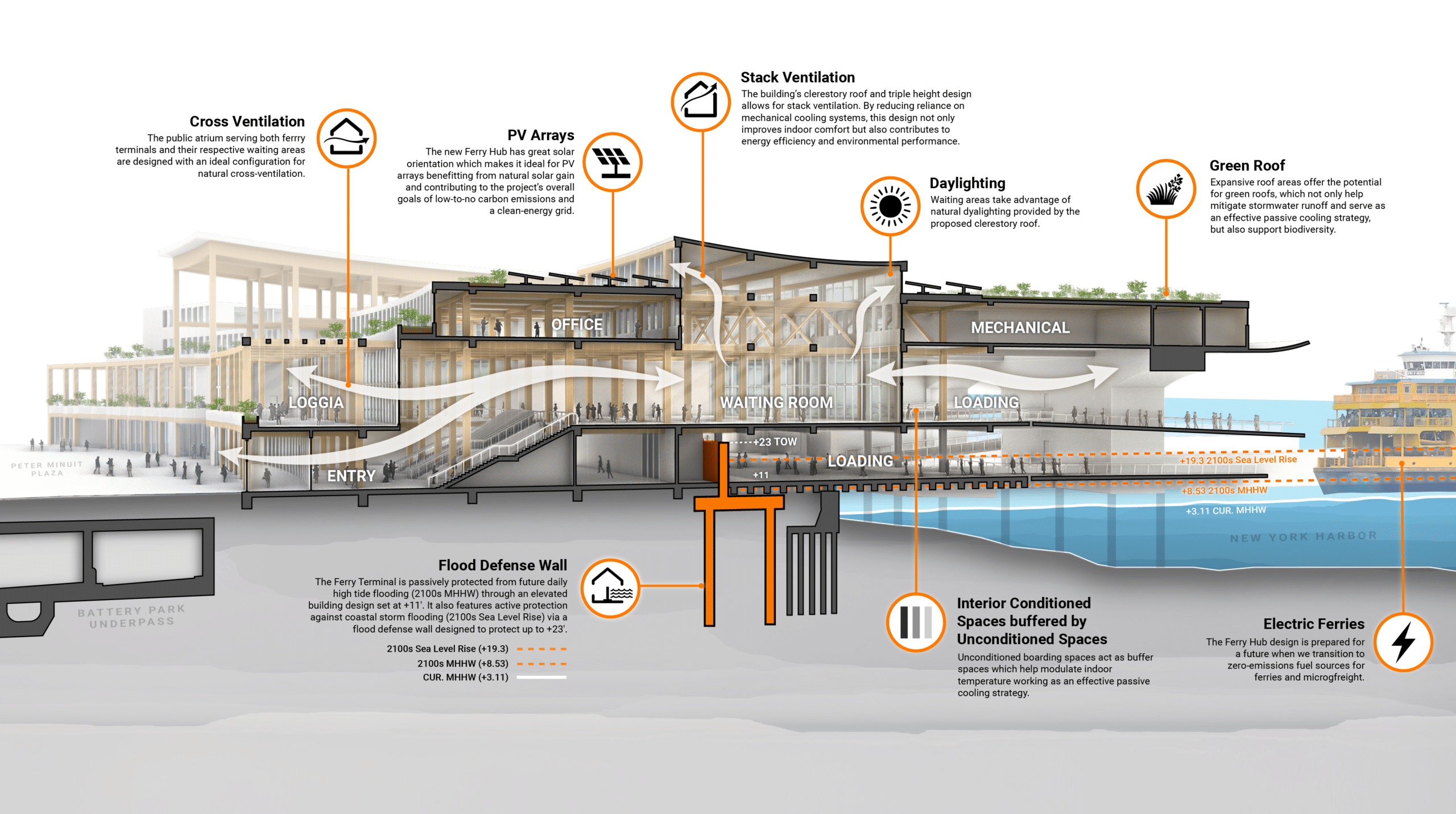
A resilient ferry hub integrates shoreline protection with active maritime operations, supporting continued ferry service while strengthening the Financial District waterfront.
A long-term vision for Downtown Manhattan's future.
The Financial District and Seaport Climate Resilience Master Plan is a targeted plan intended to focus on closing a gap in coastal protection for Lower Manhattan by developing an implementation plan to address future resiliency challenges. Marvel is the Architect for the Maritime Facilities Planning, working with the larger design team led by Arcadis and ONE Architecture. The Master Plan represents 30 percent of the Lower Manhattan coast where land-based adaptation measures were found to be technically infeasible and therefore further engineering and design is needed to scope out capital projects for shoreline extension.
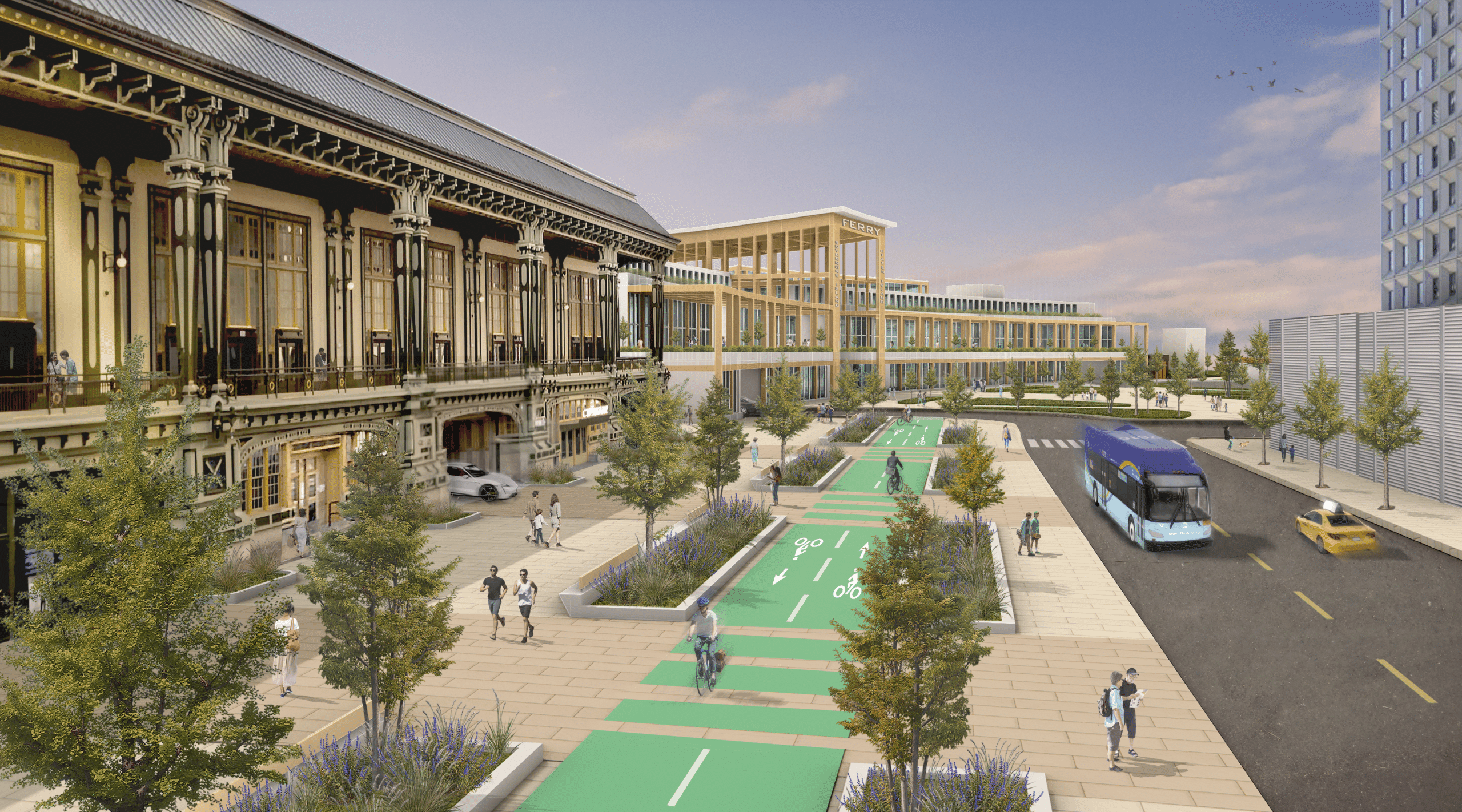
A reimagined South Street integrates protected bike lanes, expanded pedestrian space, and ferry access, linking the Battery Maritime Building to a resilient, multi-modal waterfront hub.
A continuous system of shoreline extension, flood defense, and public open space strengthens coastal resilience while reconnecting Lower Manhattan to the water.
A feature of the plan centers on linking the Battery Maritime Building to a new resilient, multi-modal waterfront hub.
A new civic plaza at the ferry terminal extends Wall Street to the water, combining resilient shoreline infrastructure with public space and riverfront access.
Expanded waterfront parkland and esplanade create continuous public access and resilient open space along the East River, with views north toward the Brooklyn Bridge.
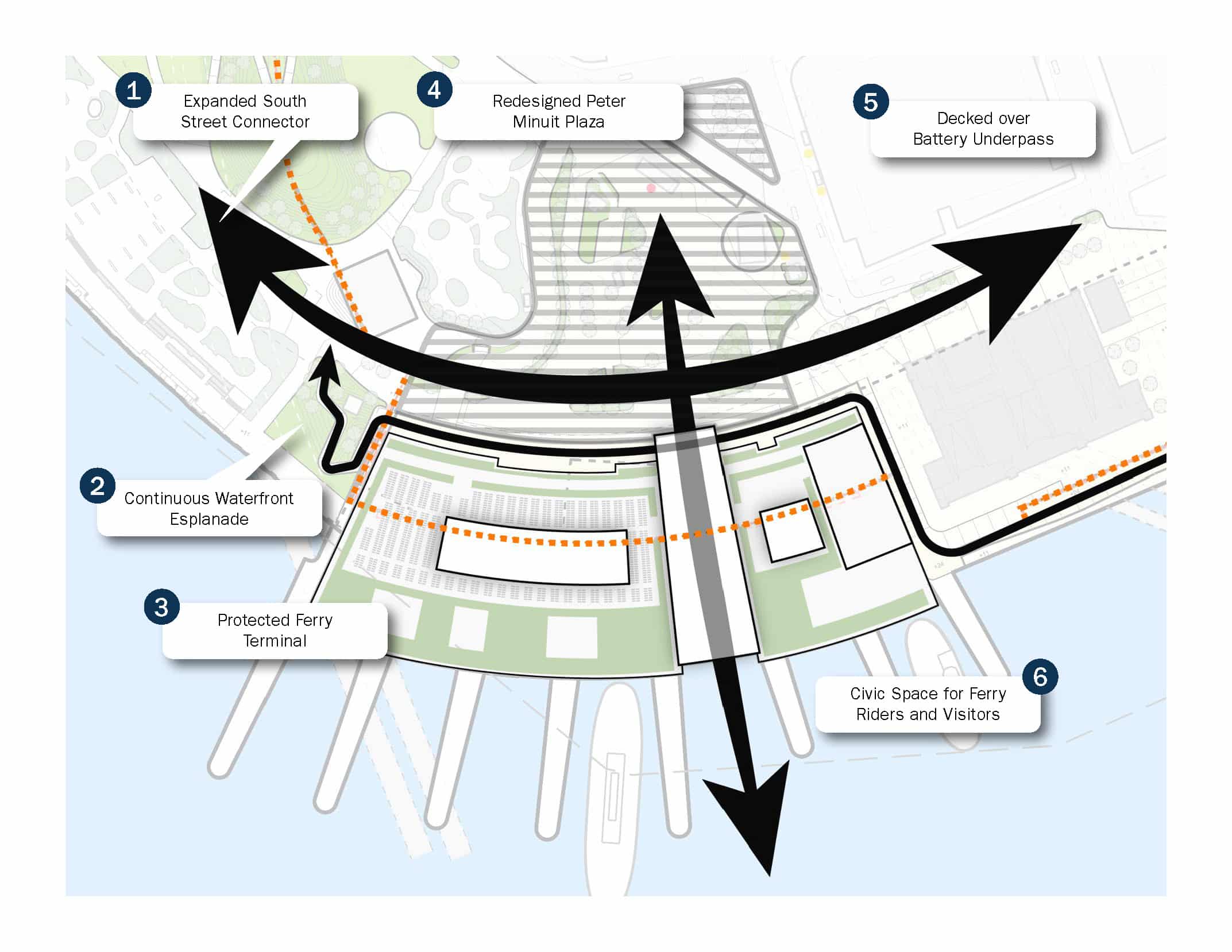
Major design moves integrate flood protection, continuous waterfront access, and civic space, reconnecting the Seaport to Lower Manhattan while supporting resilient ferry operations.
The New York City Economic Development Corporation and the Mayor’s Office of Climate and Environmental Justice are hosted an exhibit on the FiDi & Seaport Climate Resilience Plan from September 15-28, 2025.
Viewers were invited to learn about how the FiDi & Seaport area will be impacted by flooding and the City’s solution to protect the neighborhood, build new public open spaces, and preserve what New Yorkers love most about the waterfront.
A resilient ferry hub integrates shoreline protection with active maritime operations, supporting continued ferry service while strengthening the Financial District waterfront.


Financial District and Seaport Climate Resilience Plan
A long-term vision for Downtown Manhattan's future.
The Financial District and Seaport Climate Resilience Master Plan is a targeted plan intended to focus on closing a gap in coastal protection for Lower Manhattan by developing an implementation plan to address future resiliency challenges. Marvel is the Architect for the Maritime Facilities Planning, working with the larger design team led by Arcadis and ONE Architecture. The Master Plan represents 30 percent of the Lower Manhattan coast where land-based adaptation measures were found to be technically infeasible and therefore further engineering and design is needed to scope out capital projects for shoreline extension.
A continuous system of shoreline extension, flood defense, and public open space strengthens coastal resilience while reconnecting Lower Manhattan to the water.
A feature of the plan centers on linking the Battery Maritime Building to a new resilient, multi-modal waterfront hub.
A new civic plaza at the ferry terminal extends Wall Street to the water, combining resilient shoreline infrastructure with public space and riverfront access.
Expanded waterfront parkland and esplanade create continuous public access and resilient open space along the East River, with views north toward the Brooklyn Bridge.
Major design moves integrate flood protection, continuous waterfront access, and civic space, reconnecting the Seaport to Lower Manhattan while supporting resilient ferry operations.
The New York City Economic Development Corporation and the Mayor’s Office of Climate and Environmental Justice are hosted an exhibit on the FiDi & Seaport Climate Resilience Plan from September 15-28, 2025.
Viewers were invited to learn about how the FiDi & Seaport area will be impacted by flooding and the City’s solution to protect the neighborhood, build new public open spaces, and preserve what New Yorkers love most about the waterfront.
A resilient ferry hub integrates shoreline protection with active maritime operations, supporting continued ferry service while strengthening the Financial District waterfront.
A long-term vision for Downtown Manhattan's future.
The Financial District and Seaport Climate Resilience Master Plan is a targeted plan intended to focus on closing a gap in coastal protection for Lower Manhattan by developing an implementation plan to address future resiliency challenges. Marvel is the Architect for the Maritime Facilities Planning, working with the larger design team led by Arcadis and ONE Architecture. The Master Plan represents 30 percent of the Lower Manhattan coast where land-based adaptation measures were found to be technically infeasible and therefore further engineering and design is needed to scope out capital projects for shoreline extension.
A reimagined South Street integrates protected bike lanes, expanded pedestrian space, and ferry access, linking the Battery Maritime Building to a resilient, multi-modal waterfront hub.
A continuous system of shoreline extension, flood defense, and public open space strengthens coastal resilience while reconnecting Lower Manhattan to the water.
A feature of the plan centers on linking the Battery Maritime Building to a new resilient, multi-modal waterfront hub.
A new civic plaza at the ferry terminal extends Wall Street to the water, combining resilient shoreline infrastructure with public space and riverfront access.
Expanded waterfront parkland and esplanade create continuous public access and resilient open space along the East River, with views north toward the Brooklyn Bridge.
Major design moves integrate flood protection, continuous waterfront access, and civic space, reconnecting the Seaport to Lower Manhattan while supporting resilient ferry operations.
The New York City Economic Development Corporation and the Mayor’s Office of Climate and Environmental Justice are hosted an exhibit on the FiDi & Seaport Climate Resilience Plan from September 15-28, 2025.
Viewers were invited to learn about how the FiDi & Seaport area will be impacted by flooding and the City’s solution to protect the neighborhood, build new public open spaces, and preserve what New Yorkers love most about the waterfront.
A resilient ferry hub integrates shoreline protection with active maritime operations, supporting continued ferry service while strengthening the Financial District waterfront.
Financial District and Seaport Climate Resilience Plan
A long-term vision for Downtown Manhattan's future.
The Financial District and Seaport Climate Resilience Master Plan is a targeted plan intended to focus on closing a gap in coastal protection for Lower Manhattan by developing an implementation plan to address future resiliency challenges. Marvel is the Architect for the Maritime Facilities Planning, working with the larger design team led by Arcadis and ONE Architecture. The Master Plan represents 30 percent of the Lower Manhattan coast where land-based adaptation measures were found to be technically infeasible and therefore further engineering and design is needed to scope out capital projects for shoreline extension.
A continuous system of shoreline extension, flood defense, and public open space strengthens coastal resilience while reconnecting Lower Manhattan to the water.
A feature of the plan centers on linking the Battery Maritime Building to a new resilient, multi-modal waterfront hub.
A new civic plaza at the ferry terminal extends Wall Street to the water, combining resilient shoreline infrastructure with public space and riverfront access.
Expanded waterfront parkland and esplanade create continuous public access and resilient open space along the East River, with views north toward the Brooklyn Bridge.
Major design moves integrate flood protection, continuous waterfront access, and civic space, reconnecting the Seaport to Lower Manhattan while supporting resilient ferry operations.
The New York City Economic Development Corporation and the Mayor’s Office of Climate and Environmental Justice are hosted an exhibit on the FiDi & Seaport Climate Resilience Plan from September 15-28, 2025.
Viewers were invited to learn about how the FiDi & Seaport area will be impacted by flooding and the City’s solution to protect the neighborhood, build new public open spaces, and preserve what New Yorkers love most about the waterfront.
A resilient ferry hub integrates shoreline protection with active maritime operations, supporting continued ferry service while strengthening the Financial District waterfront.
A long-term vision for Downtown Manhattan's future.
The Financial District and Seaport Climate Resilience Master Plan is a targeted plan intended to focus on closing a gap in coastal protection for Lower Manhattan by developing an implementation plan to address future resiliency challenges. Marvel is the Architect for the Maritime Facilities Planning, working with the larger design team led by Arcadis and ONE Architecture. The Master Plan represents 30 percent of the Lower Manhattan coast where land-based adaptation measures were found to be technically infeasible and therefore further engineering and design is needed to scope out capital projects for shoreline extension.
A reimagined South Street integrates protected bike lanes, expanded pedestrian space, and ferry access, linking the Battery Maritime Building to a resilient, multi-modal waterfront hub.
A continuous system of shoreline extension, flood defense, and public open space strengthens coastal resilience while reconnecting Lower Manhattan to the water.
A feature of the plan centers on linking the Battery Maritime Building to a new resilient, multi-modal waterfront hub.
A new civic plaza at the ferry terminal extends Wall Street to the water, combining resilient shoreline infrastructure with public space and riverfront access.
Expanded waterfront parkland and esplanade create continuous public access and resilient open space along the East River, with views north toward the Brooklyn Bridge.
Major design moves integrate flood protection, continuous waterfront access, and civic space, reconnecting the Seaport to Lower Manhattan while supporting resilient ferry operations.
The New York City Economic Development Corporation and the Mayor’s Office of Climate and Environmental Justice are hosted an exhibit on the FiDi & Seaport Climate Resilience Plan from September 15-28, 2025.
Viewers were invited to learn about how the FiDi & Seaport area will be impacted by flooding and the City’s solution to protect the neighborhood, build new public open spaces, and preserve what New Yorkers love most about the waterfront.