

Moriviví House
Our culturally-sensitive, readily adaptable home provides residents with physical and psychological comfort before, during and after natural disasters occur. Designed to maximize structural stability yet minimize energy and water usage, it is built with local components that promote ease of assembly, leave space for creative expansion and foster ownership by way of customization. These materials and their integration support local manufacturers and tradesmen, and the simplicity of their assembly encourages homeowners and neighbors to work together on the construction of their neighborhood.
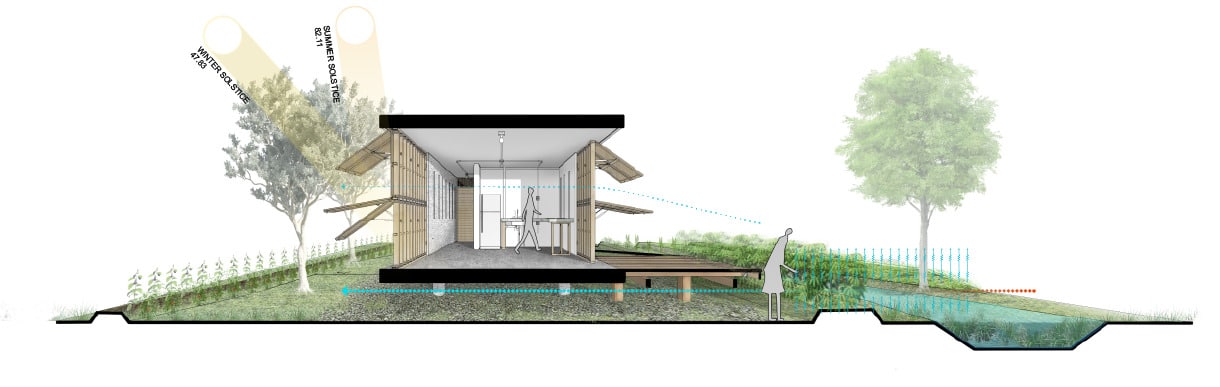
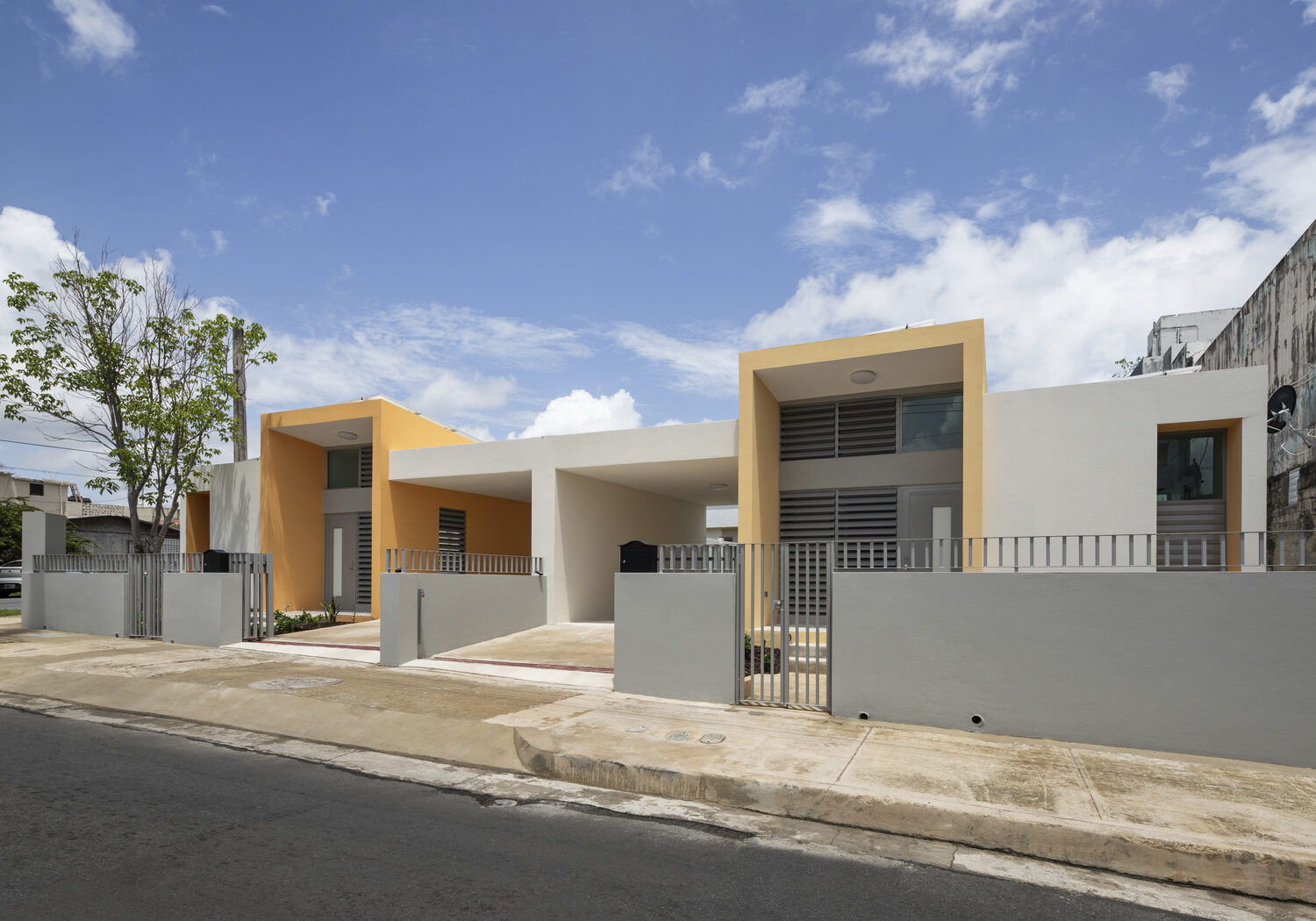
Building orientation limits western exposure while maximizing it towards prevailing northeastern winds. Modular wood screens with operable shutters function as awnings to provide shade and generous amounts of cross-ventilation. These strategies, coupled with the structure’s insulated-panel exterior walls, greatly reduce the need for active systems to provide thermal comfort and artificial lighting.
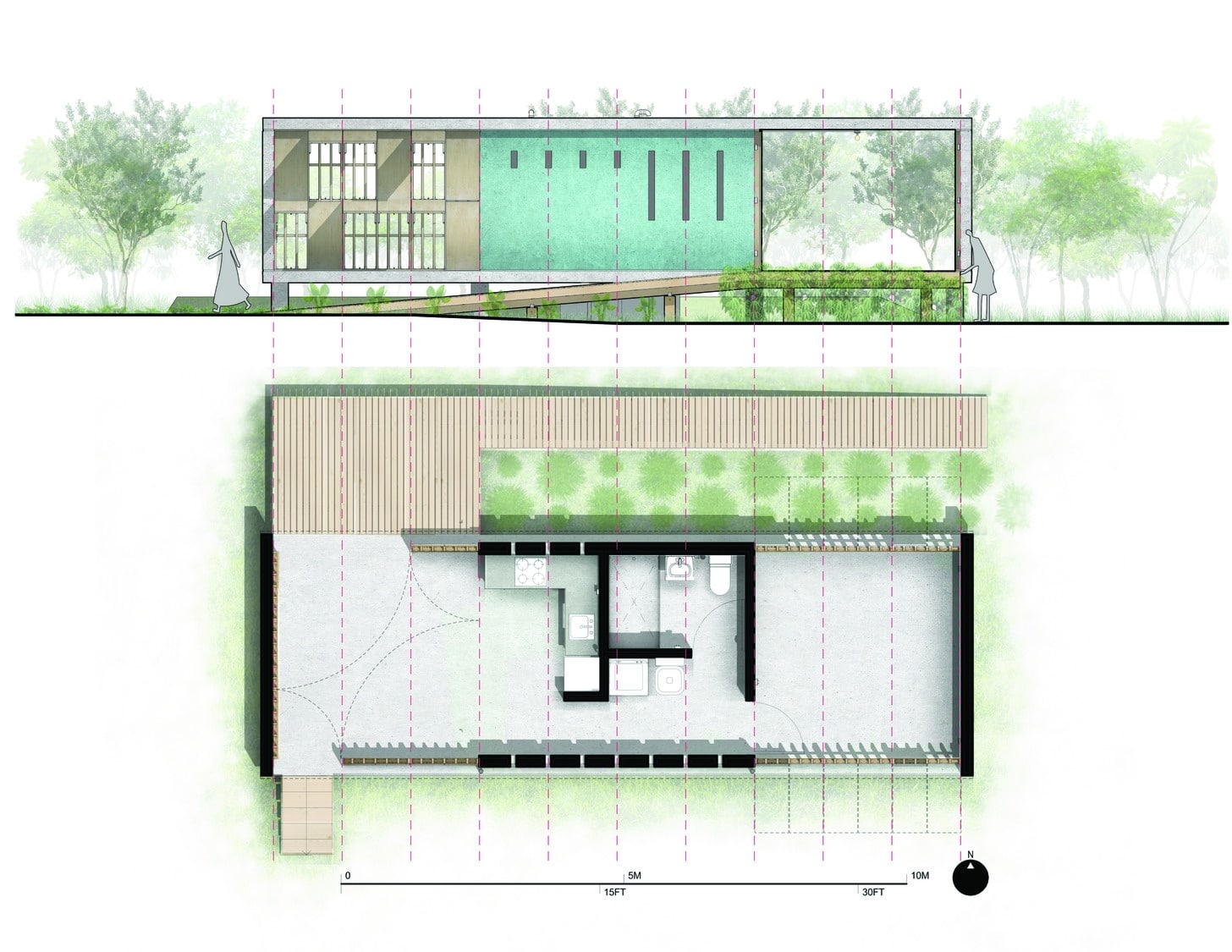
The 574 square foot house consists of two principal spaces conjoined by a functional core for the kitchen, bathroom, and infrastructure. Using repetitive modular units that are light, manageable, and based on standard dimensions helps reduce material use, waste and labor costs while minimizing the need for specialized equipment and tools.
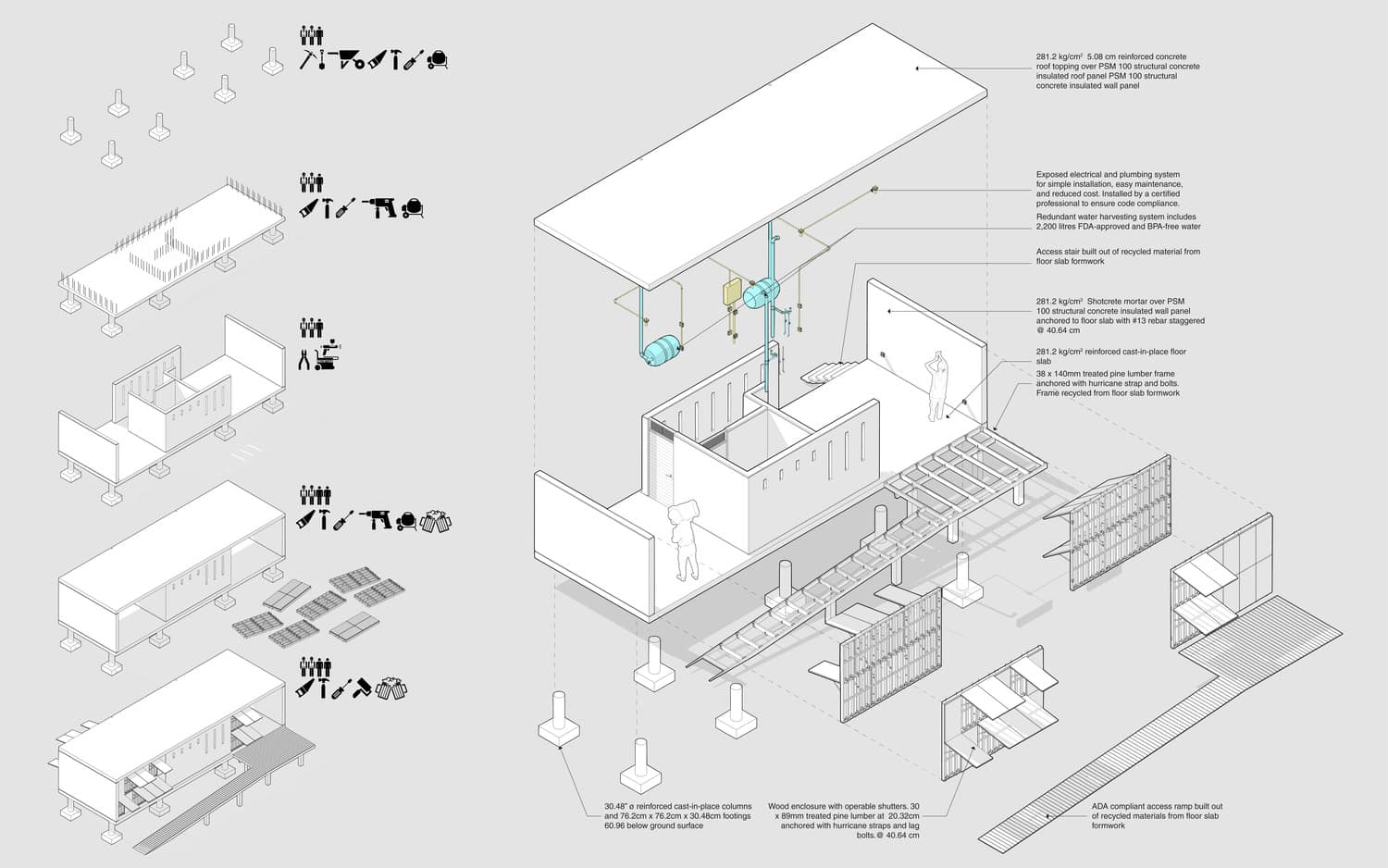
Regional materials and methods enable the structure’s cost effectiveness. When executed with owner-driven construction and community participation, the home helps to create and strengthen local economies.
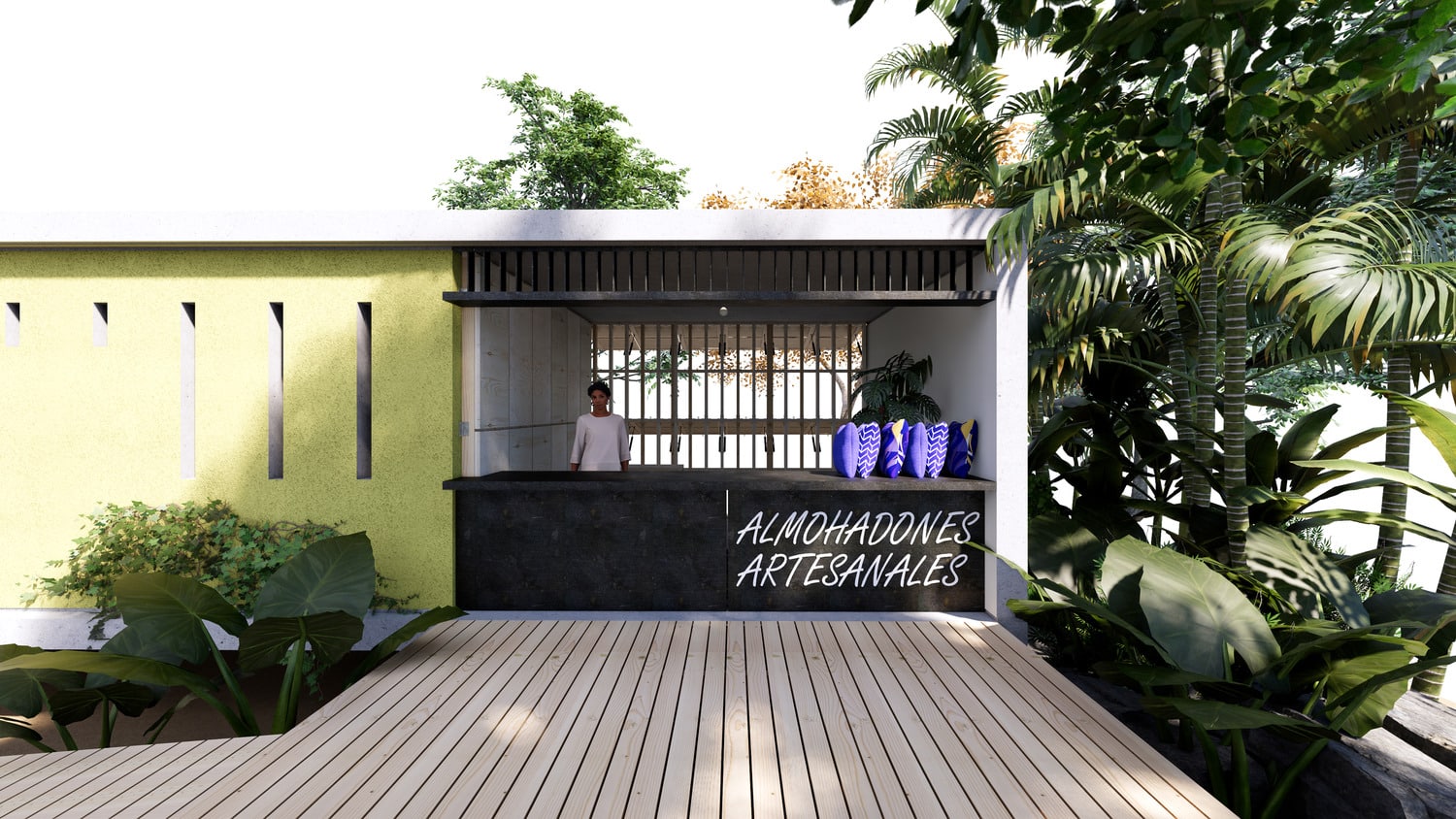
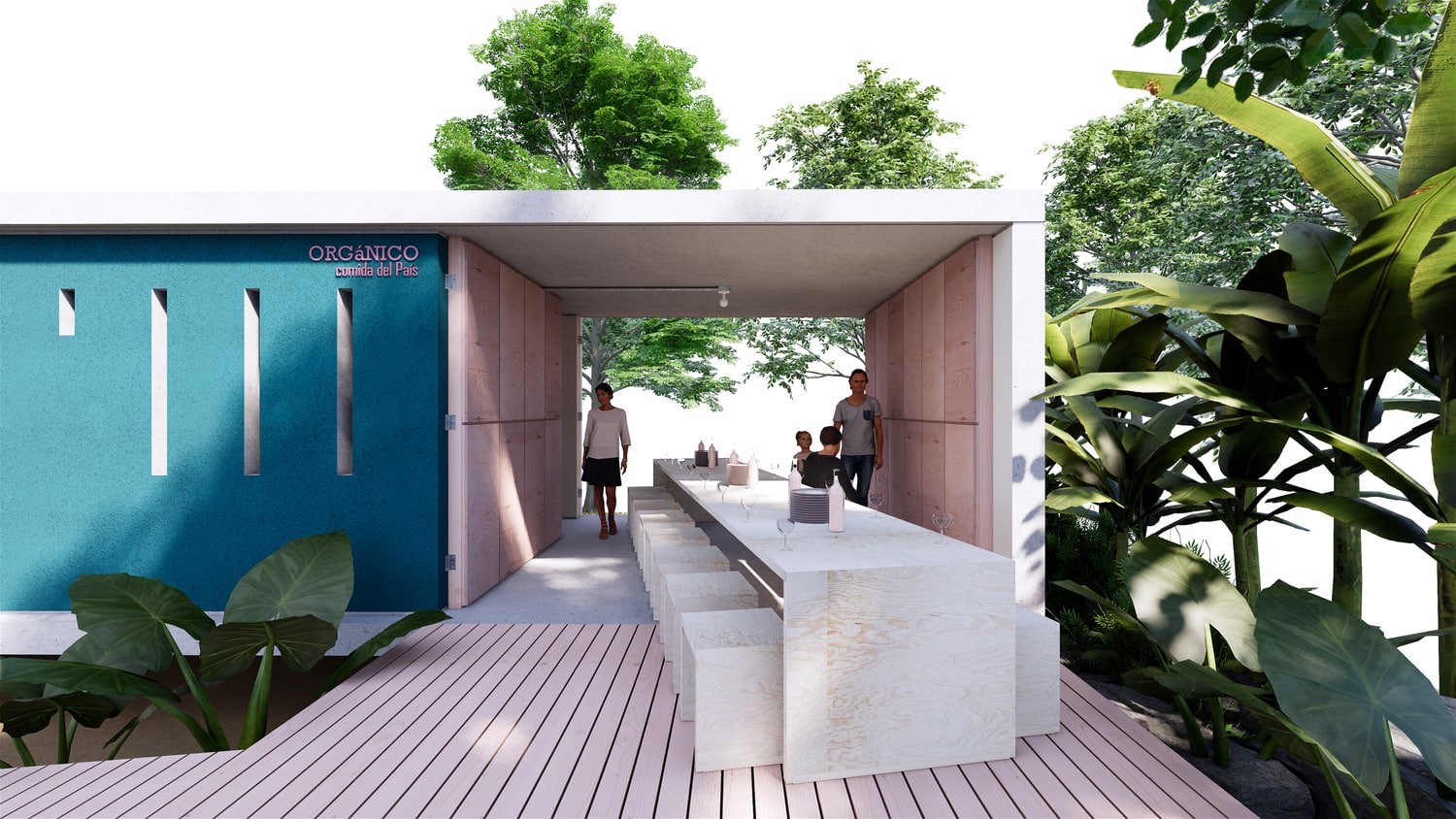
The open-source design creates opportunities and can be adapted to include non-residential uses, such as home businesses or community support facilities.
These flexible spaces recognize the potential of informal economies, create jobs, and foster the exchange of goods and services within the immediate community. By doing so, the design promotes sustainable economic development.
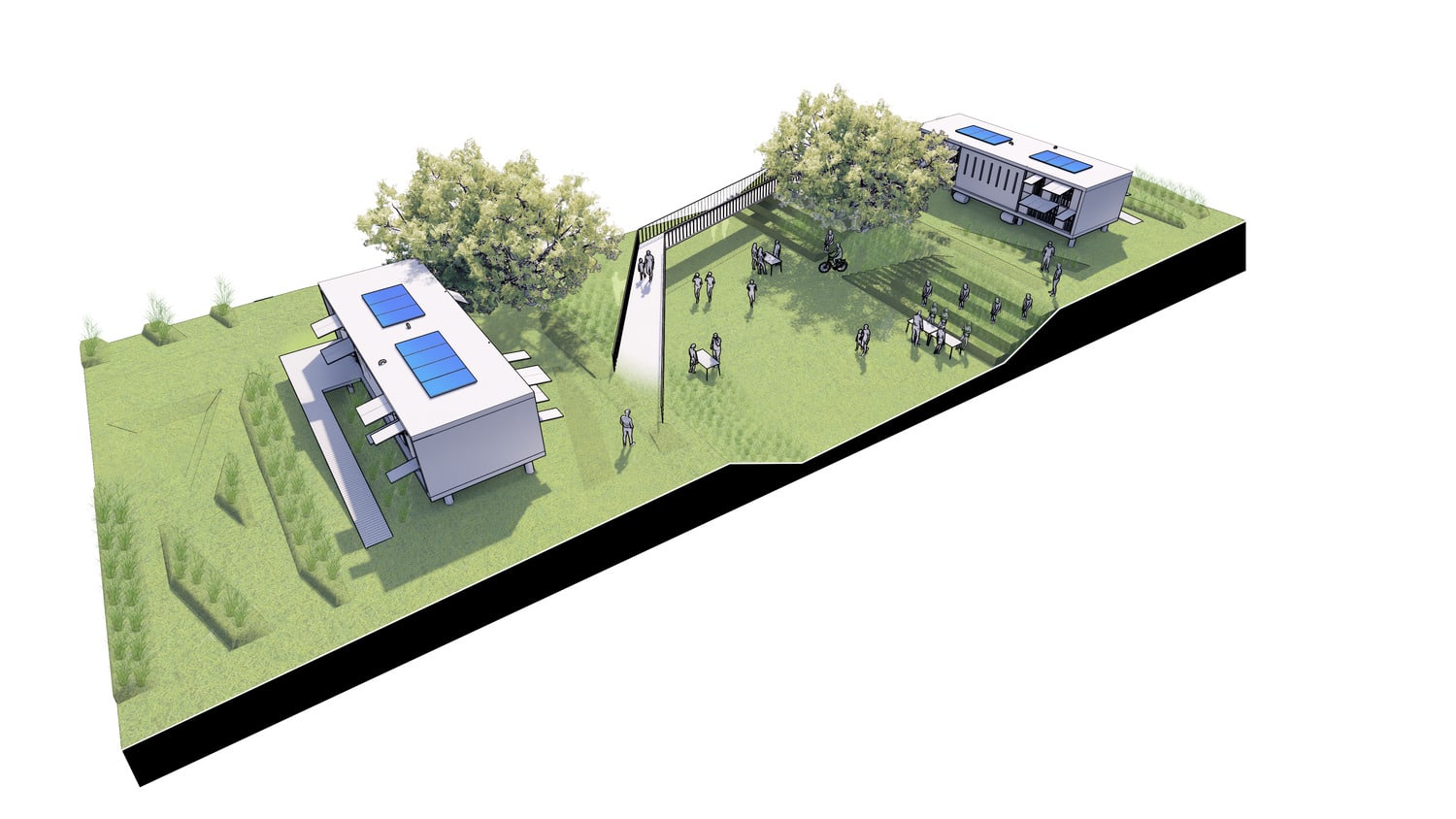
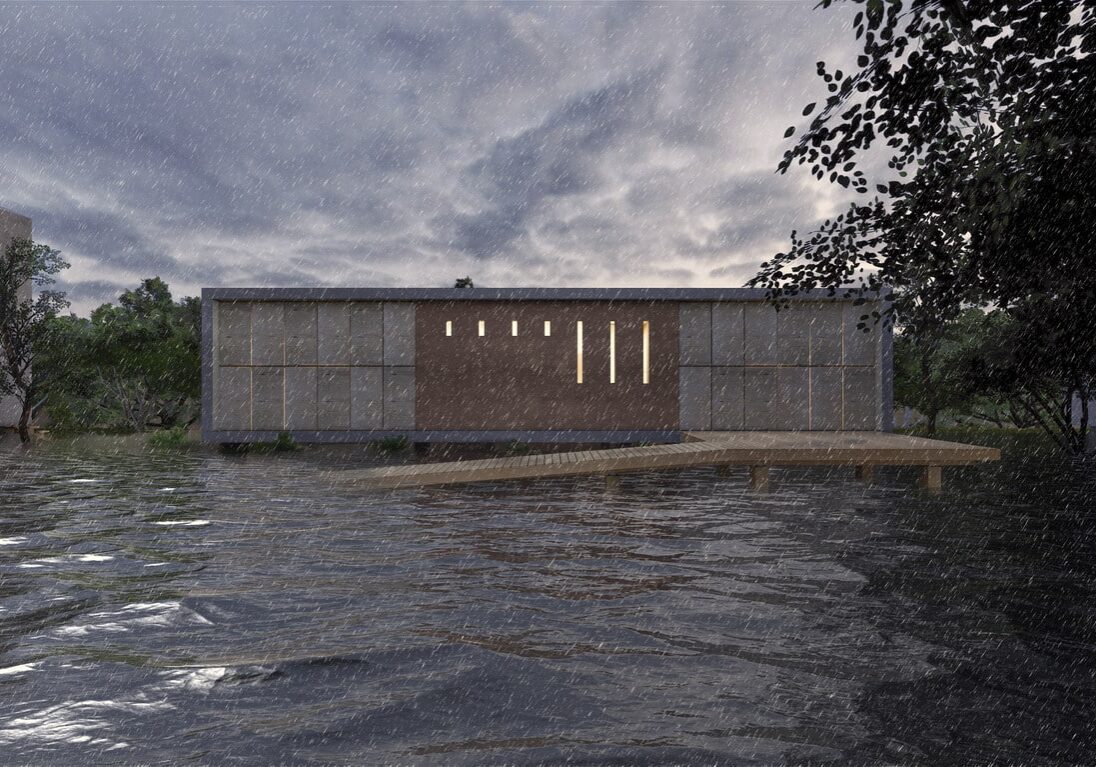
Passive strategies extend beyond the house to site-wide systems for temperature control, food production, and water management. For example, a rain garden collects excess water for reuse, cools incoming breezes, and prevents flooding.
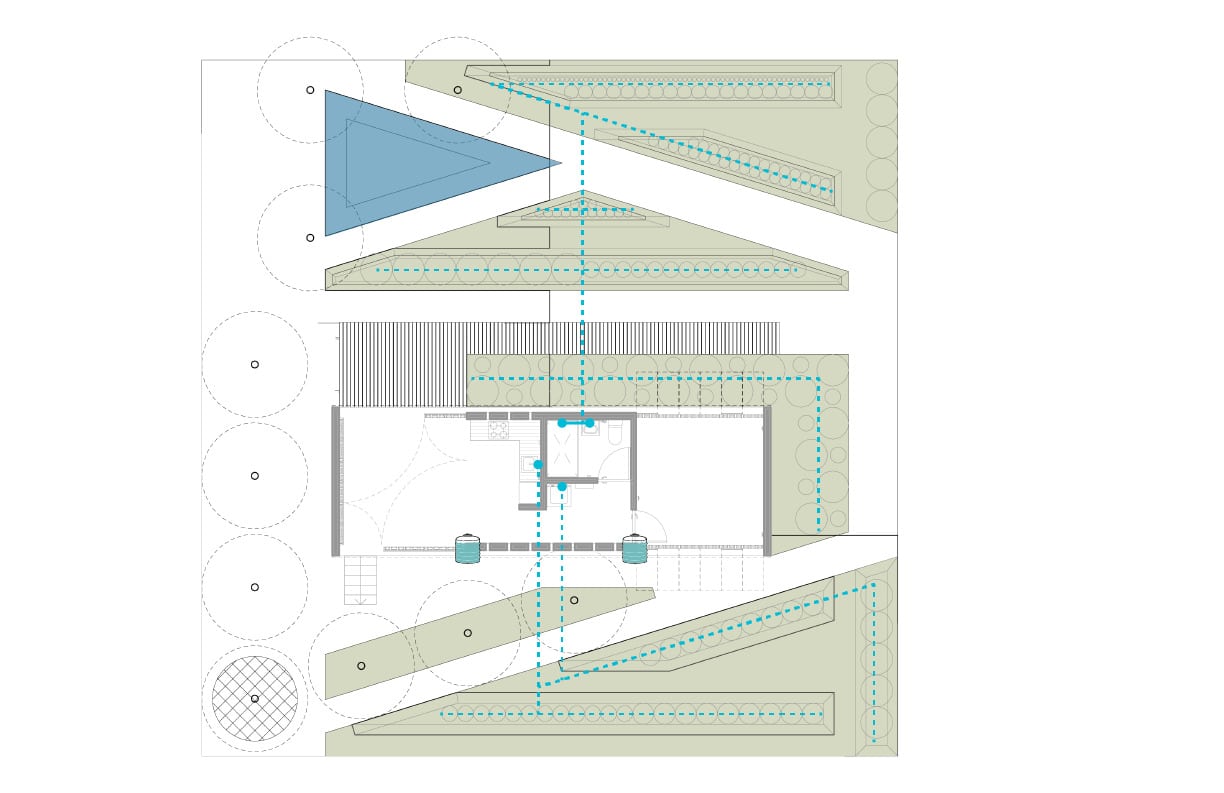
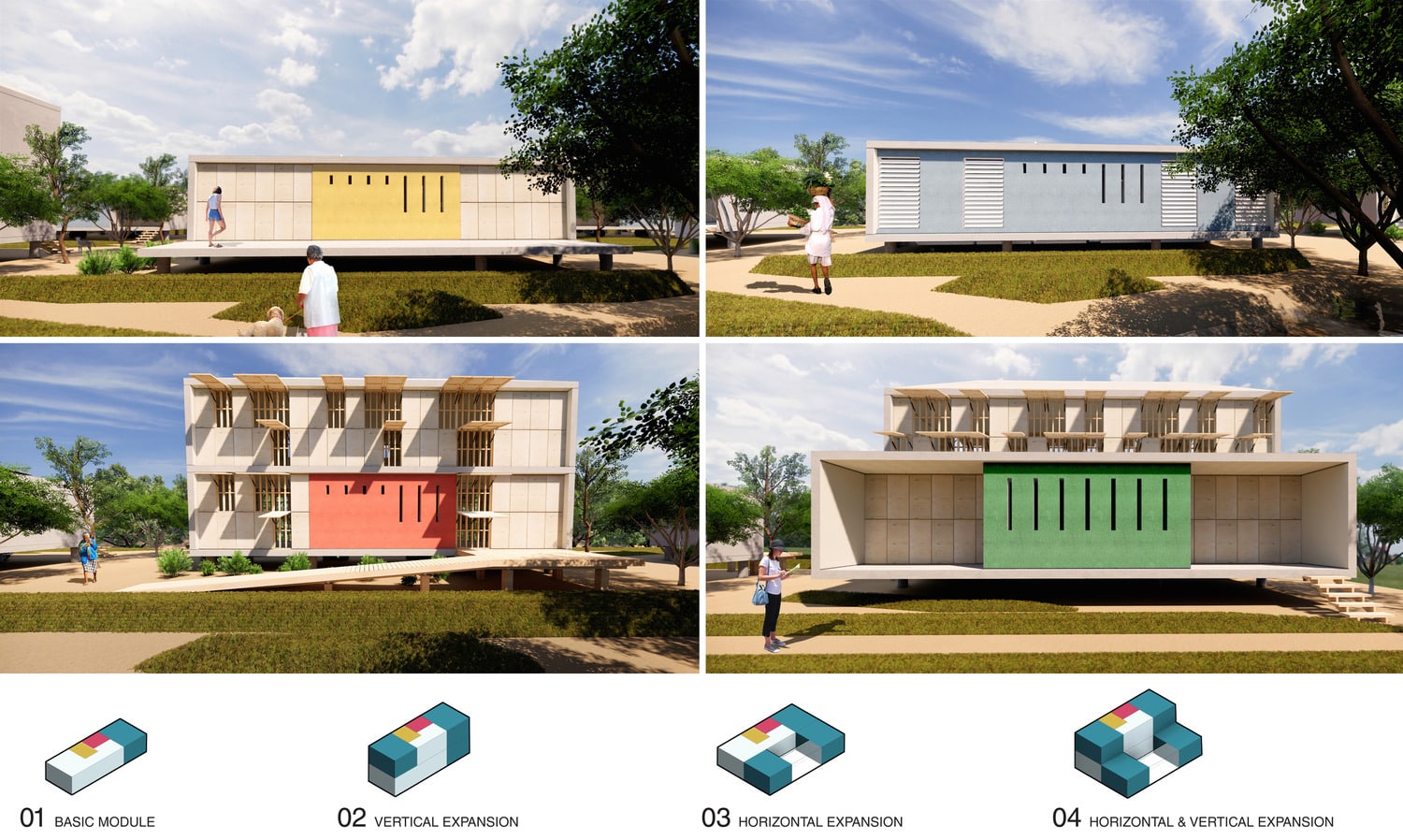
The house’s simple distribution and reliance on familiar building techniques facilitates further modifications or expansions as desired by the occupant to suit their needs. Although developed for Puerto Rico, the proposed design will work well in other tropical areas affected by heavy rainfall, winds, and earthquakes.
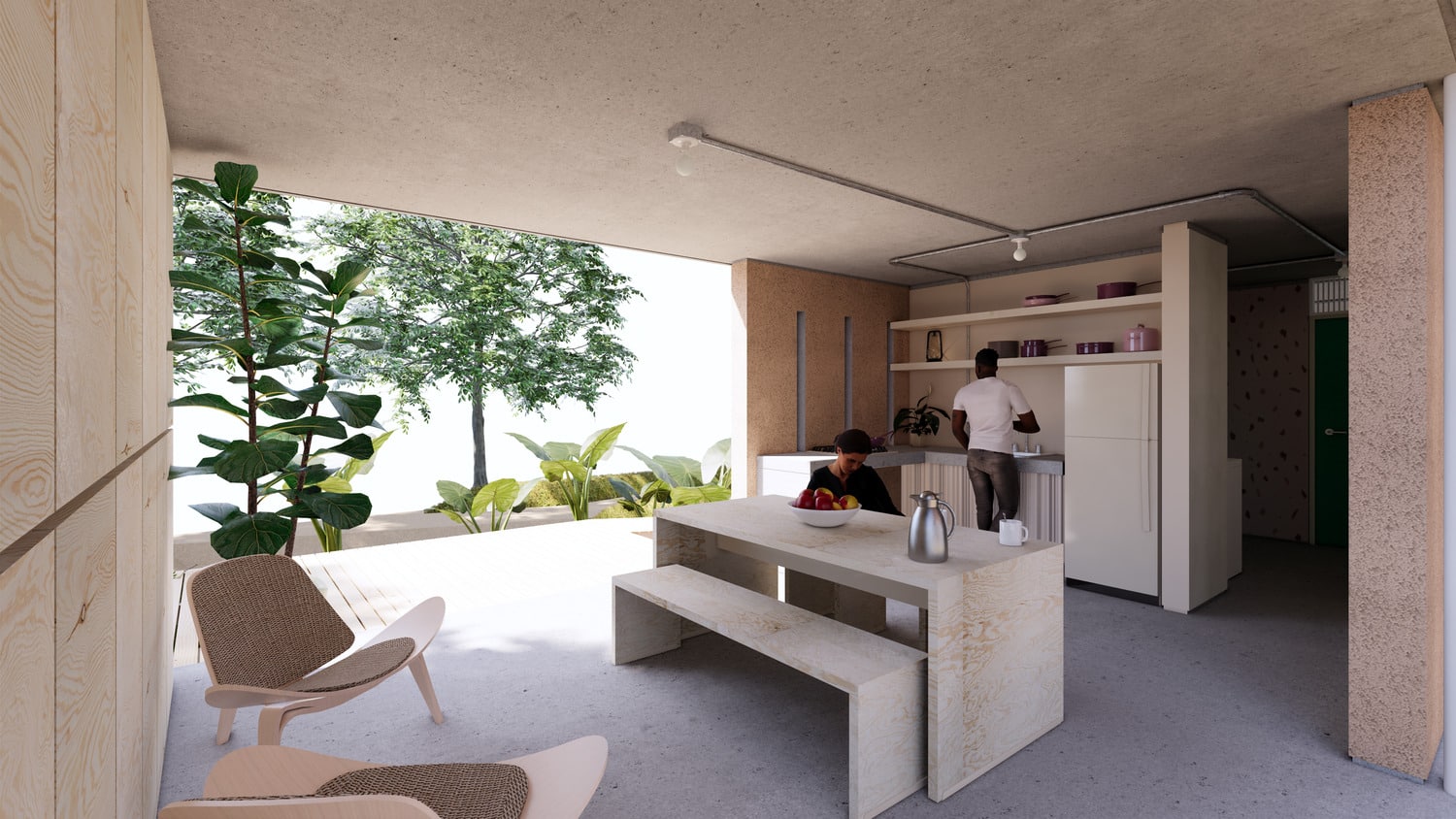
The design recognizes that privacy, sociability, and community collaboration are extremely important in a time of crisis. Porches extend the interior living areas to become a key component to promote community interaction, while façade screens can be modulated to provide varying levels of privacy to the occupants.
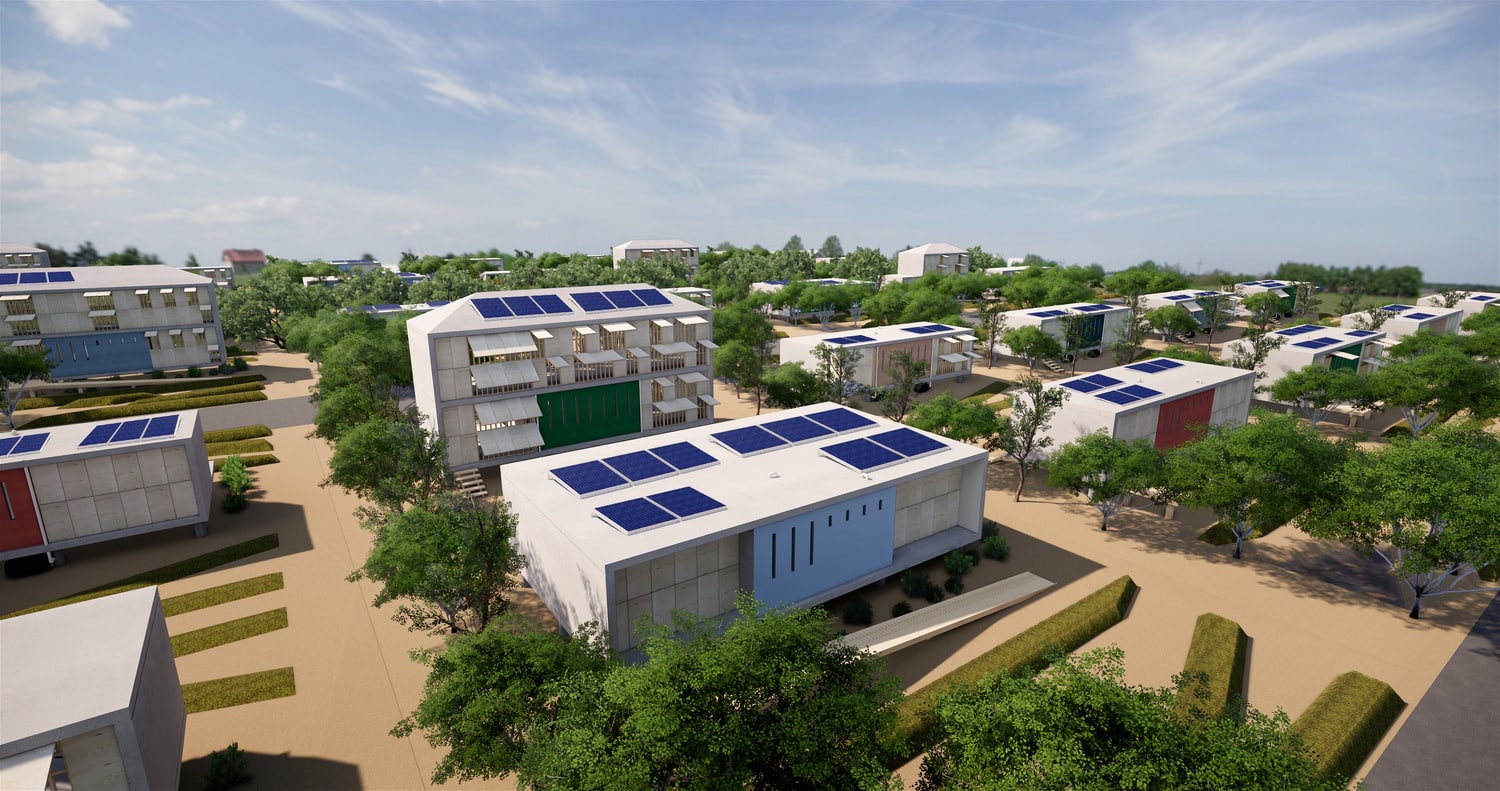
At the scale of the site, infiltration basins and interconnected walkways provide a flood-resistant network for sharing comfort and resources, while serving as gathering areas to tie a collection of homes into a thriving community. When executed with owner-driven construction and the participation of neighbors, the individual houses and common grounds help strengthen local economies and promote community integration.
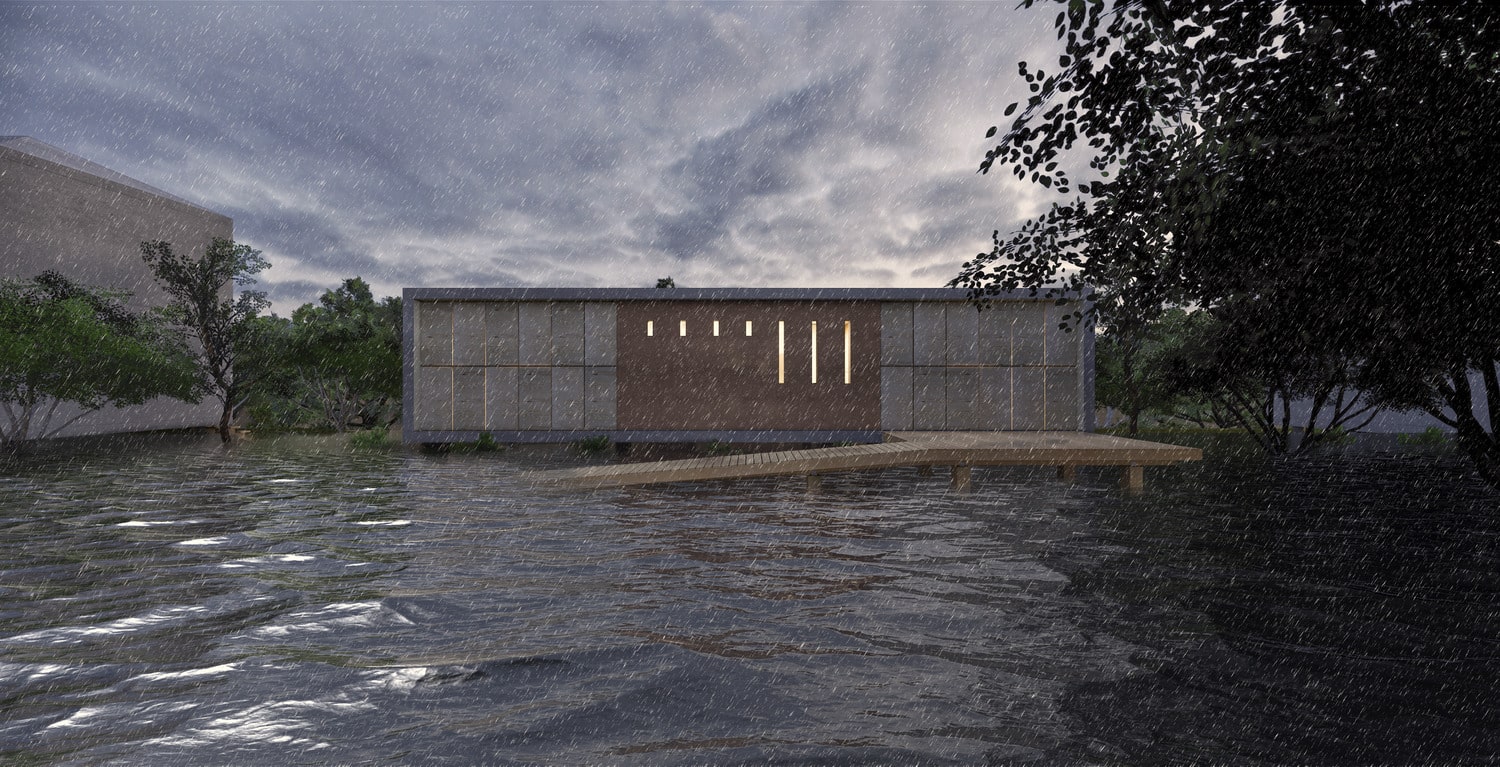
Elevating the structure on posts minimizes disturbance of the natural terrain and places the house above flood level. The elevated slab also promotes cross-ventilation and helps to mitigate wind pressure on exterior walls.
Our culturally-sensitive, readily adaptable home provides residents with physical and psychological comfort before, during and after natural disasters occur. Designed to maximize structural stability yet minimize energy and water usage, it is built with local components that promote ease of assembly, leave space for creative expansion and foster ownership by way of customization. These materials and their integration support local manufacturers and tradesmen, and the simplicity of their assembly encourages homeowners and neighbors to work together on the construction of their neighborhood.
Building orientation limits western exposure while maximizing it towards prevailing northeastern winds. Modular wood screens with operable shutters function as awnings to provide shade and generous amounts of cross-ventilation. These strategies, coupled with the structure’s insulated-panel exterior walls, greatly reduce the need for active systems to provide thermal comfort and artificial lighting.
The 574 square foot house consists of two principal spaces conjoined by a functional core for the kitchen, bathroom, and infrastructure. Using repetitive modular units that are light, manageable, and based on standard dimensions helps reduce material use, waste and labor costs while minimizing the need for specialized equipment and tools.
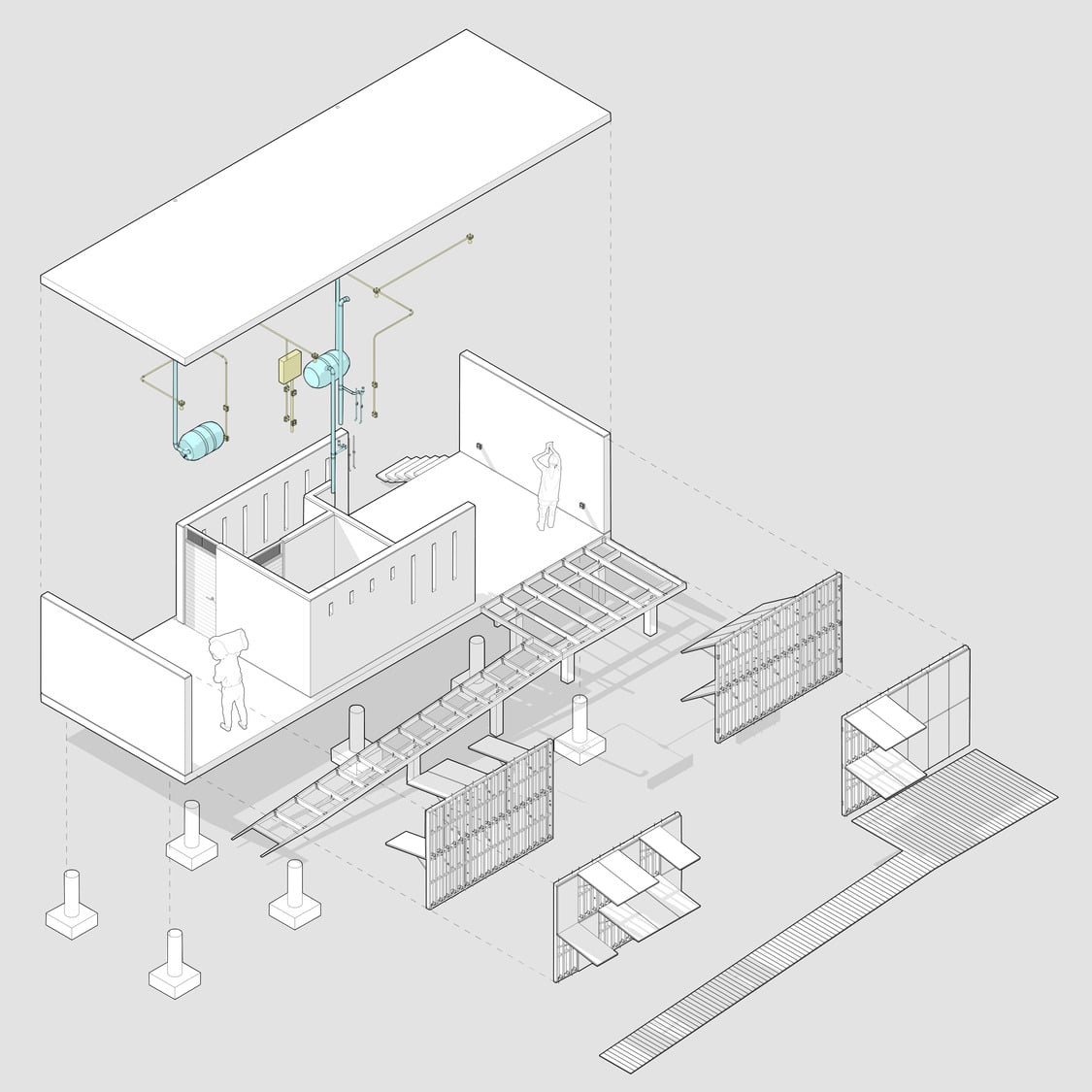
Regional materials and methods enable the structure’s cost effectiveness. Familiar concrete and wood building systems simplify construction, minimize detailing, and foster labor force expansion and development. Minimal finishes and exposed infrastructure lower maintenance and repair costs. When executed with owner-driven construction and community participation, the home helps to create and strengthen local economies.
The open-source design creates opportunities and can be adapted to include non-residential uses, such as home businesses or community support facilities.
These flexible spaces recognize the potential of informal economies, create jobs, and foster the exchange of goods and services within the immediate community. By doing so, the design promotes sustainable economic development.
Passive strategies extend beyond the house to site-wide systems for temperature control, food production, and water management. For example, a rain garden collects excess water for reuse, cools incoming breezes, and prevents flooding.
The house’s simple distribution and reliance on familiar building techniques facilitates further modifications or expansions as desired by the occupant to suit their needs. Although developed for Puerto Rico, the proposed design will work well in other tropical areas affected by heavy rainfall, winds, and earthquakes.
The design recognizes that privacy, sociability, and community collaboration are extremely important in a time of crisis. Porches extend the interior living areas to become a key component to promote community interaction, while façade screens can be modulated to provide varying levels of privacy to the occupants.
At the scale of the site, infiltration basins and interconnected walkways provide a flood-resistant network for sharing comfort and resources, while serving as gathering areas to tie a collection of homes into a thriving community. When executed with owner-driven construction and the participation of neighbors, the individual houses and common grounds help strengthen local economies and promote community integration.
Elevating the structure on posts minimizes disturbance of the natural terrain and places the house above flood level. The elevated slab also promotes cross-ventilation and helps to mitigate wind pressure on exterior walls.
Moriviví House
Our culturally-sensitive, readily adaptable home provides residents with physical and psychological comfort before, during and after natural disasters occur. Designed to maximize structural stability yet minimize energy and water usage, it is built with local components that promote ease of assembly, leave space for creative expansion and foster ownership by way of customization. These materials and their integration support local manufacturers and tradesmen, and the simplicity of their assembly encourages homeowners and neighbors to work together on the construction of their neighborhood.
Building orientation limits western exposure while maximizing it towards prevailing northeastern winds. Modular wood screens with operable shutters function as awnings to provide shade and generous amounts of cross-ventilation. These strategies, coupled with the structure’s insulated-panel exterior walls, greatly reduce the need for active systems to provide thermal comfort and artificial lighting.
The 574 square foot house consists of two principal spaces conjoined by a functional core for the kitchen, bathroom, and infrastructure. Using repetitive modular units that are light, manageable, and based on standard dimensions helps reduce material use, waste and labor costs while minimizing the need for specialized equipment and tools.
Regional materials and methods enable the structure’s cost effectiveness. When executed with owner-driven construction and community participation, the home helps to create and strengthen local economies.
The open-source design creates opportunities and can be adapted to include non-residential uses, such as home businesses or community support facilities.
These flexible spaces recognize the potential of informal economies, create jobs, and foster the exchange of goods and services within the immediate community. By doing so, the design promotes sustainable economic development.
Passive strategies extend beyond the house to site-wide systems for temperature control, food production, and water management. For example, a rain garden collects excess water for reuse, cools incoming breezes, and prevents flooding.
The house’s simple distribution and reliance on familiar building techniques facilitates further modifications or expansions as desired by the occupant to suit their needs. Although developed for Puerto Rico, the proposed design will work well in other tropical areas affected by heavy rainfall, winds, and earthquakes.
The design recognizes that privacy, sociability, and community collaboration are extremely important in a time of crisis. Porches extend the interior living areas to become a key component to promote community interaction, while façade screens can be modulated to provide varying levels of privacy to the occupants.
At the scale of the site, infiltration basins and interconnected walkways provide a flood-resistant network for sharing comfort and resources, while serving as gathering areas to tie a collection of homes into a thriving community. When executed with owner-driven construction and the participation of neighbors, the individual houses and common grounds help strengthen local economies and promote community integration.
Elevating the structure on posts minimizes disturbance of the natural terrain and places the house above flood level. The elevated slab also promotes cross-ventilation and helps to mitigate wind pressure on exterior walls.
Our culturally-sensitive, readily adaptable home provides residents with physical and psychological comfort before, during and after natural disasters occur. Designed to maximize structural stability yet minimize energy and water usage, it is built with local components that promote ease of assembly, leave space for creative expansion and foster ownership by way of customization. These materials and their integration support local manufacturers and tradesmen, and the simplicity of their assembly encourages homeowners and neighbors to work together on the construction of their neighborhood.
Building orientation limits western exposure while maximizing it towards prevailing northeastern winds. Modular wood screens with operable shutters function as awnings to provide shade and generous amounts of cross-ventilation. These strategies, coupled with the structure’s insulated-panel exterior walls, greatly reduce the need for active systems to provide thermal comfort and artificial lighting.
The 574 square foot house consists of two principal spaces conjoined by a functional core for the kitchen, bathroom, and infrastructure. Using repetitive modular units that are light, manageable, and based on standard dimensions helps reduce material use, waste and labor costs while minimizing the need for specialized equipment and tools.
Regional materials and methods enable the structure’s cost effectiveness. Familiar concrete and wood building systems simplify construction, minimize detailing, and foster labor force expansion and development. Minimal finishes and exposed infrastructure lower maintenance and repair costs. When executed with owner-driven construction and community participation, the home helps to create and strengthen local economies.
The open-source design creates opportunities and can be adapted to include non-residential uses, such as home businesses or community support facilities.
These flexible spaces recognize the potential of informal economies, create jobs, and foster the exchange of goods and services within the immediate community. By doing so, the design promotes sustainable economic development.
Passive strategies extend beyond the house to site-wide systems for temperature control, food production, and water management. For example, a rain garden collects excess water for reuse, cools incoming breezes, and prevents flooding.
The house’s simple distribution and reliance on familiar building techniques facilitates further modifications or expansions as desired by the occupant to suit their needs. Although developed for Puerto Rico, the proposed design will work well in other tropical areas affected by heavy rainfall, winds, and earthquakes.
The design recognizes that privacy, sociability, and community collaboration are extremely important in a time of crisis. Porches extend the interior living areas to become a key component to promote community interaction, while façade screens can be modulated to provide varying levels of privacy to the occupants.
At the scale of the site, infiltration basins and interconnected walkways provide a flood-resistant network for sharing comfort and resources, while serving as gathering areas to tie a collection of homes into a thriving community. When executed with owner-driven construction and the participation of neighbors, the individual houses and common grounds help strengthen local economies and promote community integration.
Elevating the structure on posts minimizes disturbance of the natural terrain and places the house above flood level. The elevated slab also promotes cross-ventilation and helps to mitigate wind pressure on exterior walls.
Moriviví House
Our culturally-sensitive, readily adaptable home provides residents with physical and psychological comfort before, during and after natural disasters occur. Designed to maximize structural stability yet minimize energy and water usage, it is built with local components that promote ease of assembly, leave space for creative expansion and foster ownership by way of customization. These materials and their integration support local manufacturers and tradesmen, and the simplicity of their assembly encourages homeowners and neighbors to work together on the construction of their neighborhood.
Building orientation limits western exposure while maximizing it towards prevailing northeastern winds. Modular wood screens with operable shutters function as awnings to provide shade and generous amounts of cross-ventilation. These strategies, coupled with the structure’s insulated-panel exterior walls, greatly reduce the need for active systems to provide thermal comfort and artificial lighting.
The 574 square foot house consists of two principal spaces conjoined by a functional core for the kitchen, bathroom, and infrastructure. Using repetitive modular units that are light, manageable, and based on standard dimensions helps reduce material use, waste and labor costs while minimizing the need for specialized equipment and tools.
Regional materials and methods enable the structure’s cost effectiveness. When executed with owner-driven construction and community participation, the home helps to create and strengthen local economies.
The open-source design creates opportunities and can be adapted to include non-residential uses, such as home businesses or community support facilities.
These flexible spaces recognize the potential of informal economies, create jobs, and foster the exchange of goods and services within the immediate community. By doing so, the design promotes sustainable economic development.
Passive strategies extend beyond the house to site-wide systems for temperature control, food production, and water management. For example, a rain garden collects excess water for reuse, cools incoming breezes, and prevents flooding.
The house’s simple distribution and reliance on familiar building techniques facilitates further modifications or expansions as desired by the occupant to suit their needs. Although developed for Puerto Rico, the proposed design will work well in other tropical areas affected by heavy rainfall, winds, and earthquakes.
The design recognizes that privacy, sociability, and community collaboration are extremely important in a time of crisis. Porches extend the interior living areas to become a key component to promote community interaction, while façade screens can be modulated to provide varying levels of privacy to the occupants.
At the scale of the site, infiltration basins and interconnected walkways provide a flood-resistant network for sharing comfort and resources, while serving as gathering areas to tie a collection of homes into a thriving community. When executed with owner-driven construction and the participation of neighbors, the individual houses and common grounds help strengthen local economies and promote community integration.
Elevating the structure on posts minimizes disturbance of the natural terrain and places the house above flood level. The elevated slab also promotes cross-ventilation and helps to mitigate wind pressure on exterior walls.
Our culturally-sensitive, readily adaptable home provides residents with physical and psychological comfort before, during and after natural disasters occur. Designed to maximize structural stability yet minimize energy and water usage, it is built with local components that promote ease of assembly, leave space for creative expansion and foster ownership by way of customization. These materials and their integration support local manufacturers and tradesmen, and the simplicity of their assembly encourages homeowners and neighbors to work together on the construction of their neighborhood.
Building orientation limits western exposure while maximizing it towards prevailing northeastern winds. Modular wood screens with operable shutters function as awnings to provide shade and generous amounts of cross-ventilation. These strategies, coupled with the structure’s insulated-panel exterior walls, greatly reduce the need for active systems to provide thermal comfort and artificial lighting.
The 574 square foot house consists of two principal spaces conjoined by a functional core for the kitchen, bathroom, and infrastructure. Using repetitive modular units that are light, manageable, and based on standard dimensions helps reduce material use, waste and labor costs while minimizing the need for specialized equipment and tools.
Regional materials and methods enable the structure’s cost effectiveness. Familiar concrete and wood building systems simplify construction, minimize detailing, and foster labor force expansion and development. Minimal finishes and exposed infrastructure lower maintenance and repair costs. When executed with owner-driven construction and community participation, the home helps to create and strengthen local economies.
The open-source design creates opportunities and can be adapted to include non-residential uses, such as home businesses or community support facilities.
These flexible spaces recognize the potential of informal economies, create jobs, and foster the exchange of goods and services within the immediate community. By doing so, the design promotes sustainable economic development.
Passive strategies extend beyond the house to site-wide systems for temperature control, food production, and water management. For example, a rain garden collects excess water for reuse, cools incoming breezes, and prevents flooding.
The house’s simple distribution and reliance on familiar building techniques facilitates further modifications or expansions as desired by the occupant to suit their needs. Although developed for Puerto Rico, the proposed design will work well in other tropical areas affected by heavy rainfall, winds, and earthquakes.
The design recognizes that privacy, sociability, and community collaboration are extremely important in a time of crisis. Porches extend the interior living areas to become a key component to promote community interaction, while façade screens can be modulated to provide varying levels of privacy to the occupants.
At the scale of the site, infiltration basins and interconnected walkways provide a flood-resistant network for sharing comfort and resources, while serving as gathering areas to tie a collection of homes into a thriving community. When executed with owner-driven construction and the participation of neighbors, the individual houses and common grounds help strengthen local economies and promote community integration.